


Plant Profile: Easy-to-Grow Peanuts
Ever wanted to grow your own peanuts for homemade roasted peanut butter? It’s much easier, and quicker, than you think

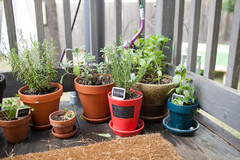
All you need to grow peanuts is a sunny spot in the garden or a large pot on a balcony, raw peanuts from the health food store, soil, water and a bit of patience. Having a peanut plant at home is also great fun for the kids, as the plants are pretty forgiving about overwatering and have a fascinating (and slightly weird) way of growing. Another bonus is the plant’s relatively short growing time compared to true tree nuts, which can be an eight-year wait for pecans and walnuts and more than two years for cashews. By comparison, peanuts take a mere five months from planting to roasting.

Where to grow
This adaptable plant grows best in tropical or subtropical spots, but warm temperate areas with a long growing season are fine too. Peanuts will be happy in most soil types, but prefer a well-drained soil in a sunny and sheltered position with plenty of moisture.
Photo by Wikimedia Commons user Franz Xaver
How to plant
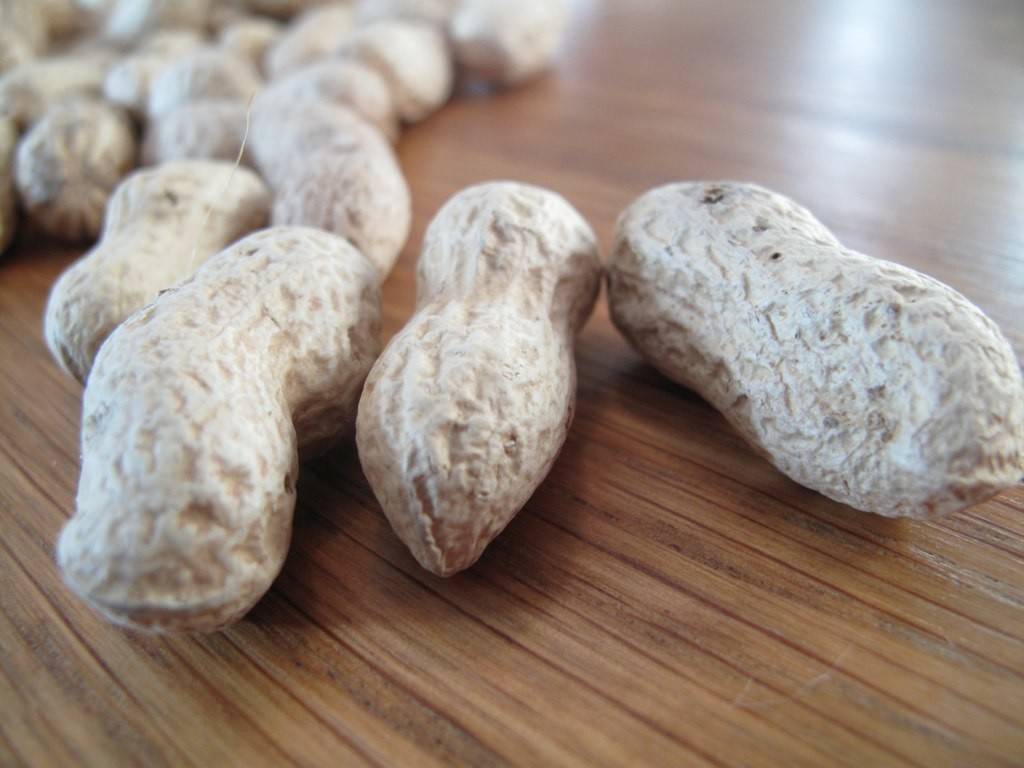
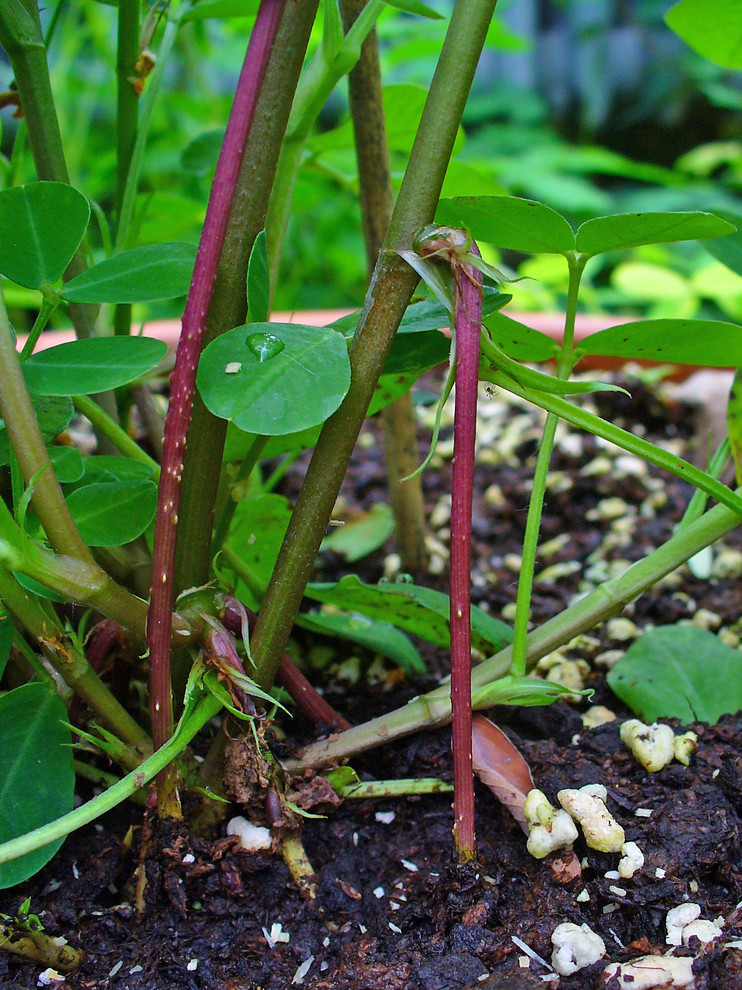
The easiest way to get your hands on peanut seed is to use fresh, raw, unprocessed peanuts (kernels), with the papery skin still intact. Buy these from the health food store. Find a sunny spot in the garden to plant your seed, then prepare the soil (or pot). Plant seeds by hand to a depth of 3-5 centimetres, about a finger-length apart. Cover, then water in well. Mulch around the planting site to prevent weeds, which will compete with the shallow-rooted peanuts for nutrients. They should germinate in a week or two.
Photo by Wikimedia Commons user H Zell
When to water
Plants need plenty of water throughout the entire growing season, so water regularly.
How to fertilise
Just before flowering, sprinkle dolerite or gypsum around the plant to help with calcium uptake to produce plumper kernels.
Photo by Flickr user Bob Peterson
Plants need plenty of water throughout the entire growing season, so water regularly.
How to fertilise
Just before flowering, sprinkle dolerite or gypsum around the plant to help with calcium uptake to produce plumper kernels.
Photo by Flickr user Bob Peterson

How to harvest
Peanut plants flower continuously over the growing season, so the underground pods will develop at different times. Look out for the first signs of the plant yellowing. That’s a good indicator that it’s time to harvest. Dig it up, roots and all, then leave the plant, roots up, to dry out in the sun for three or four days. Pick the pods once they are dry, then shell or roast them.
Photo from Wikimedia Commons user Pollinator
Interesting facts
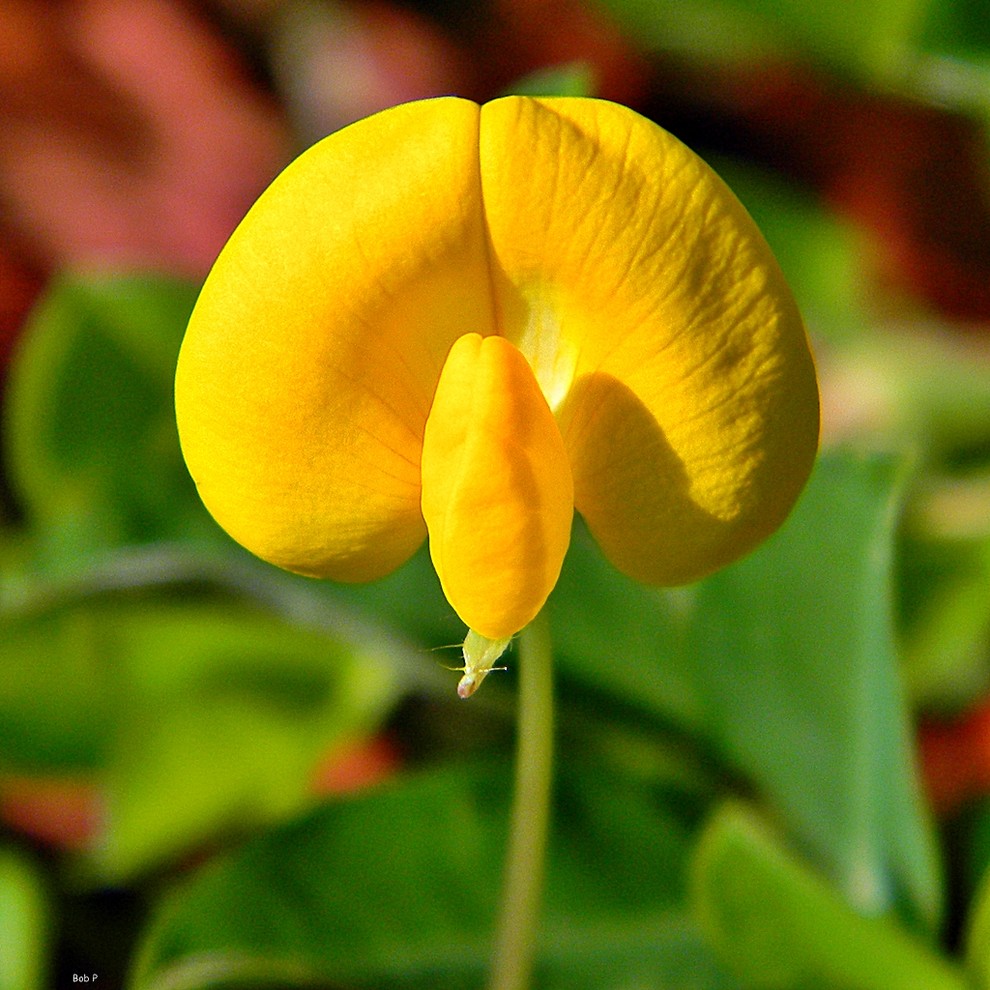
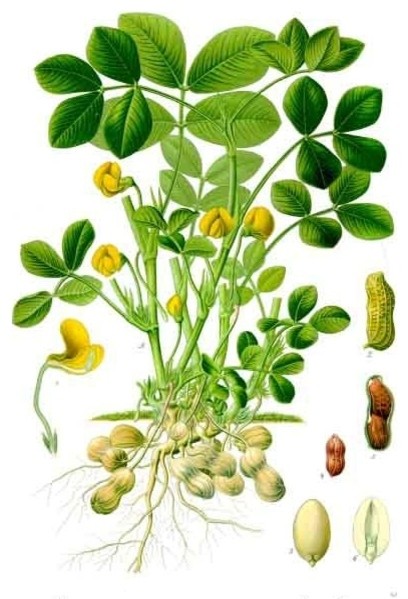
Peanuts aren’t true nuts, they’re from the pea family (Fabaceae), which gives the plant its name ‘pea-nut’. Strangely, the pods form underground. After the small pea-like flower is fertilised, it turns into a peg that drives itself into the ground. The tip of the peg then turns horizontally and develops into a pod containing the peanut kernels.
Illustration by Wikimedia Commons user Franz Eugen Köhler
TELL US
Have you ever tried to grow peanuts before? Share your tips and experiences in the Comments below.
MORE
Browse more stories about growing your own edibles

Sponsored
Common name: Peanut
Botanical name: Arachis hypogaea
Origin: Northern Argentina
Plant type: Herbaceous annual
Size: Up to 50 centimetres high and 1 metre wide
When to plant: From September to January. In tropical areas, wait until the dry season from April on
Time till harvest: 140-155 days from planting
Suitable for pots: Yes
Photo by Flickr user Dag Terje Filip Endresen