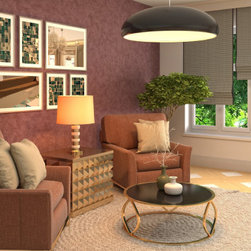


8 Design Choices That Increase a Home’s Investment Value
Nowadays, the quality of interior design and the overall impression of a well-executed renovation play a major role in how quickly a property sells or rents — and at what price. Years ago, buyers focused primarily on square footage, neighbourhood, and construction year. Today, thoughtful design solutions can raise the value of an apartment by 10-30% and significantly shorten the time it takes to close a deal.
In many cases, the deciding factor is how the space feels. Is it comfortable to live in? Does it look modern, clean, and well-organized? Buyers or tenants form this impression within minutes, often on a purely emotional level rather than through a careful review of technical details.
When a home appears bright, spacious, and versatile — when storage is well organized, materials feel high quality, and lighting is thoughtfully designed — the property is perceived as more prestigious and valuable. This remains true even when it is technically identical to neighbouring apartments in the same building. Beyond rational comparison, emotional attraction plays a strong role: people simply want to stay in a place that feels right.
Several design techniques consistently perform well in the housing market. These details may not immediately stand out, yet they increase buyer interest and allow sellers to set higher prices without strong resistance.
Built-In Storage
One of the most common everyday challenges in any apartment is deciding where to store things. When storage is poorly planned, clutter appears quickly, and even an expensive renovation begins to look messy.
That is why built-in storage systems — especially those that extend to the ceiling and fit neatly into wall niches — improve a property’s investment appeal.
Wardrobes designed to blend seamlessly into the wall, discreet overhead cabinets, hidden utility zones, and dedicated spaces for small household items all create a sense of order. Buyers appreciate when the storage issue has already been solved and they do not need to figure out where to place additional cabinets or shelves.
This makes the apartment feel ready for immediate living without extra investments, which increases its perceived value.
Logical Layout and Clear Zoning
The first thing that sells a property is not the finishing materials but how comfortable it is to live in. A logical layout with convenient passageways, intuitive zoning, and no awkward corners signals quality even before a buyer looks closely at décor or materials.
When space is not overcrowded with partitions and each functional zone is easy to understand, the apartment visually appears larger and more expensive.
For example, a kitchen combined with a dining area and living room is widely seen as a modern and investment-friendly layout. Such a space feels brighter, more open, and better suited to contemporary lifestyles.
However, balance remains important. The kitchen should not overwhelm the relaxation area or appear disconnected from the overall design. Ideally, there should still be the option to separate the kitchen from the living area when necessary.
Even without structural changes, thoughtful furniture placement, well-planned storage, and removing unnecessary walls can create a similar effect. When someone walks through an apartment without encountering narrow passages or awkward spaces, the experience feels natural and comfortable, which makes them more willing to pay a higher price.
Minimal Visual Noise
Another design principle that increases property value is reducing visual clutter. Clean lines, concealed storage, and simple forms create a calm environment that feels organized and spacious. Furthermore, this design choice is great not only from a practical standpoint but also from a personal one. While being in a decluttered room, people can concentrate better, which positively affects any performance: be it completing a work project, placing a bet on an upcoming event, or just cooking a meal for the family.
When too many decorative elements compete for attention, the interior can feel chaotic and smaller than it actually is. A restrained approach allows architecture, lighting, and materials to stand out.
Minimal visual noise also makes it easier for buyers to imagine adapting the space to their own needs. They aren’t distracted by bold stylistic choices that might require renovation.
Well-Planned Lighting
Lighting is one of the most underestimated factors influencing how a home is perceived. Even an expensive renovation can feel uncomfortable if the lighting is poorly designed. On the other hand, a well-planned lighting scheme can elevate the interior and increase the property’s perceived value.
The most effective approach today involves several lighting scenarios in each room.
General lighting ensures functionality through ceiling fixtures, spotlights, or track systems. Accent lighting adds depth to the space through wall lights or hidden illumination. Evening lighting creates a sense of comfort using floor lamps and localized fixtures.
The ability to adjust brightness and select a warm light spectrum between 2700K and 3500K allows the atmosphere to change throughout the day. Buyers value this flexibility because it gives them control over how the space feels at different moments.
When lighting adapts to mood and everyday activities, the apartment feels carefully designed with comfort in mind — a characteristic often associated with higher-end housing.
Quality Materials and Finishes
Buyers immediately recognize the quality of finishing materials through both sight and touch. Natural stone, wood, durable ceramics, and calm organic textures create a sense of elegance and status without appearing overly showy.
Interestingly, the impression of quality depends less on the price of the materials and more on how they are used. Smooth surfaces, clean edges, neat joints, and logical combinations of textures create the impression of careful craftsmanship.
Even moderately priced materials can look impressive when installed with precision. Conversely, expensive materials lose their appeal if they are poorly fitted or combined without thought.
Natural textures have another advantage: they are highly versatile. They rarely go out of style, do not become visually tiring, and rarely inspire buyers to completely redesign the space. This longevity directly improves the apartment’s investment potential.
Universal Color Palettes
In an investment-focused interior, color is not about self-expression but versatility. Soft, warm tones tend to perform best: creamy whites, beige-grey combinations, and natural wood shades.
Such palettes create a sense of cleanliness, comfort, and understated quality while remaining neutral enough for buyers to imagine their own furniture and personal style.
Warm neutral bases also work well with natural materials. Wood, marble, and stone look particularly elegant against such backgrounds, enhancing the overall impression of refinement.
Another advantage is that these shades respond well to different lighting conditions. Whether the apartment is viewed during the day or in the evening, the space maintains a pleasant and attractive appearance.
Thoughtful Details and Hardware
Small details can significantly influence perception. High-quality door handles, well-designed switches, and durable fixtures contribute to the feeling that the apartment was designed with care.
Buyers often notice these details subconsciously. When elements such as handles, faucets, and cabinet mechanisms operate smoothly and feel solid, the entire home appears more reliable and valuable.
These upgrades are relatively inexpensive compared with structural renovations, yet they greatly enhance the perceived quality of the interior.
Functional Bathrooms and Kitchens
Kitchens and bathrooms remain the most influential spaces in determining property value. Modern layouts, durable materials, and practical storage solutions make these rooms both attractive and functional.
Integrated appliances, hidden storage, and simple design choices help maintain a clean, cohesive look. Buyers are particularly sensitive to these areas because renovating them can be costly.
When kitchens and bathrooms feel ready to use without major upgrades, buyers see immediate financial advantages. This perception often leads to faster transactions and stronger offers.
Project Year: 2026
Project Cost: Less than USD 1,000