

How to Know When It’s Time to Replace Your Roof
Your home’s roof might be out of sight, but it shouldn’t ever be out of mind. That overhead structure shields you, your loved ones, and your belongings from rain, wind, sun, and everything in between. But like any major component of your home, a roof has a lifespan, and knowing when to replace it can save you stress, money, and damage down the road.
Here are the key signs it’s time to consider a full replacement, and why it matters, alongside how you can trust professionals like Harbor Roofing to guide you through the process.
1. Age & Material: Understanding Your Roof’s Lifecycle
Different roofing materials have different lifespans. Asphalt shingles, for example, often last 20–30 years in good conditions; metal or tile roofs may last much longer. If your roof is approaching or has exceeded its expected service life, that’s one big alarm bell.
Even if you’re not seeing obvious damage, age alone can mean underlying issues like weakened decking, worn underlayment, or lost warranties.
- Visible Wear, Curling or Missing Shingles
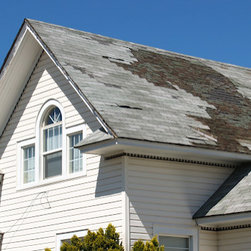
Walk around your home and take a careful look at the roof surface. Key warning signs:
- Shingles that are curling up or buckling
- Large sections are missing shingles entirely
- Dark streaks or granule loss
- Exposed underlayment or roof deck
These issues show wear from weather, wind, and sun exposure and can accelerate further damage, like leaks or rot. If you’re spotting more of the above than “a few isolated spots,” it’s time to call for a full inspection.
3. Interior Clues: Leaks, Water Stains or Mold
Your roof’s problems aren’t always up top where you can see them. If you notice any of these inside your home, the roof may be compromising your structure:
- Water stains on ceilings or walls
- Drips or moisture in attic spaces
- Musty or moldy smells near the eaves
- Light streaming through in places it shouldn’t
Even small leaks can lead to big damage, rot, compromised insulation, and structural weakening. Don’t ignore interior evidence. An inspection is overdue.
4. Sagging Roof Deck or Structural Issues
A roof deck that’s sagging or feels soft underfoot is a serious red flag. That softness could mean moisture has deteriorated the decking or rafters, meaning your roof system is compromised and likely beyond simple repairs.
Structural damage is more than cosmetic; it threatens safety. At this point, replacing the roof isn’t a luxury, it’s necessary for the health of your home.
5. Frequent Repairs or One Big “Fix It” Waiting to Happen
Think of your roof like a car approaching 100,000 miles. Early on, maybe one repair here or there is fine. But when you find yourself calling the roofer repeatedly, for leaks, flashing failures, wind damage, it starts to become more cost-effective to replace the roof than keep patching it.
Ask yourself: when was the last full roof job? How many repairs have we done this year? If the answer is “a lot” or “I don’t remember,” it’s time to consider replacement.
6. Energy Bills Climbing or Attic Getting Too Hot
A roof in bad shape doesn’t just leak water, it can leak energy. Worn or missing insulation/ventilation, degraded underlayment, and gaps in the roofing system all let heat in (or out). That shows up as higher utility bills or an attic that becomes an oven in summer.
Replacing the roof gives you a chance to upgrade ventilation, insulation, and even reflective materials, making your home more comfortable and efficient.
7. Storm Damage or Extreme Weather Impact
If you live in an area prone to storms, wind, hail, or heavy sun, your roof might have taken hits that aren’t obvious from ground level. The team at Harbor Roofing lists “roof storm damage, roof tarping, insurance claim roof inspection” among their services.
After a storm, inspect for: broken or missing shingles, dents in metal, granule loss, or flashings that came loose. If damage is extensive, a replacement may be the smarter long-term investment than repeated repairs.
8. Warranties, Home Value, and Other Practical Considerations
- Warranty expiration: If your manufacturer’s warranty or installer’s workmanship warranty has lapsed, you may lose protection for future issues.
- Home sale: A bulging, aging roof can be a deal-breaker for buyers or reduce your resale value. A new roof often boosts your curb appeal and gives buyers confidence.
- Insurance considerations: Some insurers scrutinize older roofs. A full replacement may improve your coverage or lower premiums.
- Material changes: If you love your home but hate your roof, replacement gives you the chance to upgrade, switch from basic shingles to architectural ones, or go metal for longevity.
9. The Replacement Process: What to Expect
With professionals like Harbor Roofing, the replacement process typically flows like this:
- Inspection & estimate: A qualified roofer assesses the roof condition and lays out what replacement would entail.
- Material selection: You choose the roofing system (e.g., asphalt, tile, metal) and any upgrades (ventilation, underlayment, flashing). Harbor Roofing notes their use of premium systems like GAF Timberline for lifetime protection.
- Scheduling & prep: A date is set; the crew protects landscaping, clears the work zone, and obtains any necessary permits.
- Removal & installation: Old roofing is removed, deck is inspected/ repaired, new underlayment and shingles/tiles/metal go on.
- Cleanup & inspection: After installation, the crew does a thorough cleanup (including nails), performs a final inspection, and you receive your warranty documentation.
- Follow-up: Especially after storms, some contractors offer post-storm checkups or maintenance advice. Harbor Roofing emphasizes their customer-service focus and follow-through.
10. When to Take Action: Don’t Wait Until It’s Too Late
In short: if your roof checks more than one of the “red-flag” boxes above, it’s time to schedule a full assessment, and likely replacement. Waiting may cost you more in water damage, rot, mold, or structural repairs.
Thousands of homeowners have relied on companies like Harbor Roofing (serving the Tampa Bay area) to handle full replacements professionally and with transparency. Start with a free estimate, ask about the warranty and materials, and get ahead of the problem.
Final Thoughts:
Your roof is one of the most important protective systems in your home, and when it starts showing signs of age, damage, or inefficiency, replacing it is not just about aesthetics; it’s about safety, investment, and peace of mind.
If you’re noticing age, wear, interior signs, or repeated repairs, it’s not just “maybe later”. It’s “now”. Let the professionals at Harbor Roofing walk you through your options, give you a clear scope and trusted estimate, and help you decide on the right moment to invest in a new roof that you and your home can count on for years to come.
Project Year: 2025
Project Cost: USD 1,000 - USD 2,500