

Smart Home Design Ideas to Upgrade Your Living Space
Modern home design is no longer just about creating visually appealing spaces. Today, homeowners expect living environments that are functional, comfortable, efficient, and truly connected to the way they live every day. With rising construction costs, evolving lifestyle needs, and higher expectations for quality, thoughtful planning has become more important than ever. A well-designed home starts long before construction begins. It begins with understanding space, movement, behavior, and how people actually experience their homes. When planning is done right, design becomes clearer, decision-making becomes easier, and the final living environment becomes far more satisfying and meaningful.
Modern Home Design Challenges Today
Designing a home today is no longer just about aesthetics. People expect spaces that are comfortable, efficient, future-ready, and deeply connected to their lifestyles. At the same time, budgets, sustainability concerns, and construction risks have made planning more demanding than ever. Modern residential design is shaped by several challenges, including:
- rising construction and material costs
- the need for flexibility as lifestyles evolve
- pressure to maximize space efficiency
- growing expectations for comfort and emotional connection
Good residential design now depends on thinking ahead—long before any wall is built.
Why Early Planning Shapes Better Architecture
A successful house is never accidental. Early planning helps define spatial purpose, circulation, proportions, and usability. It allows architects and homeowners to understand how people will live in the space: how they move, gather, rest, and interact with their environment. Strong planning bridges the gap between ambition and reality, ensuring that beautiful design also works in daily life.
The Role of Floor Planning in Functional Space Design
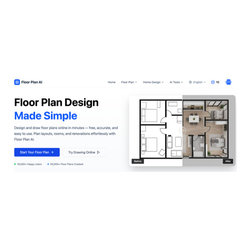
Before materials, colors, or furniture are considered, structure must come first. A well-developed floor plan is the framework that organizes spaces logically. It evaluates connections between rooms, defines privacy levels, manages circulation, and anticipates future needs. Floor Plan is an intelligent platform that simplifies the creation of accurate floor plan layouts for residential and commercial projects.
With Floor Plan AI, you can:
- Generate precise layouts in minutes
- Organize and structure space efficiently
- Create clear plans for renovation and building
Whether designing compact apartments or expansive houses, effective layout planning helps avoid awkward spaces, wasted square meters, and costly structural changes later.
Visualizing Design Before Building
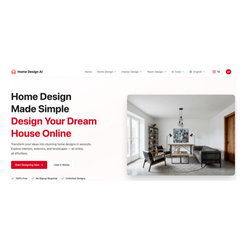
Even the best architectural description can feel abstract without visualization. Modern digital tools now make it possible to see design ideas before construction begins. Through realistic previews and spatial simulations, Home Design is an advanced platform that helps users visualize interior and exterior concepts quickly and professionally. It makes planning, presentation, and idea testing far more efficient.
With Home Design , you can:
- Instantly redesign rooms from a photo
- Explore multiple interior and exterior styles
- Generate realistic visuals within seconds
This reduces uncertainty, strengthens design confidence, and allows more informed decision-making.
Designing for Daily Living and Human Behavior
Homes are ultimately lived in, not admired from a distance. Good planning recognizes real human behavior: movement, comfort, privacy, social connection, and emotional well-being. A thoughtful design considers how spaces transition, how people experience light, where they gather, and how they rest.
Understanding Movement and Circulation
Clear circulation ensures spaces flow naturally. Well-planned corridors, connection points, and transitions help avoid congestion and guide people intuitively through the home.
Balancing Private vs Social Spaces
Great homes protect privacy while supporting togetherness. Separating quiet zones from social areas improves comfort while strengthening functional clarity.
Designing for Comfort and Function
Furniture placement, accessibility, visibility, and ergonomics should be anticipated early, ensuring that rooms are both livable and efficient.
Creating Spaces People Actually Use
Planning should prioritize real needs rather than theoretical ideals. When spaces match lifestyle, they naturally become meaningful parts of daily life.
Reducing Construction Risks Through Better Planning
Unplanned changes during construction are expensive, stressful, and disruptive. Clear planning reduces structural modifications, prevents design conflicts, and minimizes material waste. Strong planning helps control project timelines, stabilizes budget expectations, and ensures smoother project execution by:
- clarifying design direction before construction begins
- reducing uncertainty for contractors and builders
- minimizing redesign cycles and approvals
- ensuring decisions are based on real insight, not guesswork
It protects budgets while delivering a result closer to the original architectural vision.
Technology’s Role in Contemporary Home Design
Digital innovation is reshaping residential design. From precise layout tools to immersive visualization platforms, technology empowers both professionals and homeowners. It improves collaboration, strengthens communication, and transforms design from guesswork into informed strategy.
Common Planning Mistakes to Avoid
Many design challenges come from rushing decisions. Frequent issues include ignoring circulation, underestimating storage needs, designing purely for aesthetics, or failing to consider long-term lifestyle changes. Early planning helps prevent these mistakes before they evolve into permanent frustrations.
Real-World Application Scenarios
Good planning benefits every type of living environment. Compact urban homes gain smarter space efficiency. Family houses achieve clearer zoning between social and private areas. Renovations become more predictable. New builds become easier to control and execute.
Conclusion & Key Takeaways
Modern home design is no longer just about building structures—it is about creating meaningful living experiences. Thoughtful planning, supported by layout strategy and visualization technology, leads to homes that are practical, comfortable, and emotionally resonant. When design thinking begins early, architecture not only looks good—it truly works for the people who live in it.
Project Year: 2025
Project Cost: Less than USD 1,000