

Annapurna Circuit Trek & Tilicho Lake Trek – A Complete Himalayan Experience
The Himalayas have long been a symbol of endurance, spiritual depth, and raw natural grandeur. Among the many trekking routes in Nepal, the Annapurna Circuit trek and the Tilicho Lake trek stand out as two of the most rewarding and transformative journeys a trekker can undertake. These routes are not merely trails across mountainous terrain; they are immersive expeditions into diverse landscapes, ancient cultures, and some of the highest and most dramatic alpine environments on earth.
This article provides a comprehensive look at both the Annapurna Circuit trek and the Tilicho Lake trek—covering geography, culture, terrain, difficulty, preparation, and why combining these routes creates one of the most complete trekking experiences in the Himalayas.
Annapurna Circuit Trek: A Legendary Himalayan Traverse
The Annapurna Circuit trek is widely regarded as one of the greatest long-distance trekking routes in the world. Encircling the Annapurna Massif, the circuit spans approximately 160–230 kilometers depending on the starting and ending points. What distinguishes this trek is the dramatic ecological and cultural variation experienced within a single journey.
Geographic Diversity
The route typically begins in the lush subtropical lowlands of Nepal, where terraced rice fields and dense forests dominate the landscape. As trekkers ascend, the environment transitions through temperate woodlands, alpine meadows, and ultimately into arid, high-altitude desert terrain resembling the Tibetan plateau.
The trek’s highest point is the formidable Thorong La Pass at 5,416 meters (17,769 feet). Crossing this pass is both a physical challenge and a defining achievement. The panoramic views from the top—spanning snow-capped peaks and vast Himalayan valleys—are nothing short of extraordinary.
Cultural Richness
Another compelling feature of the Annapurna Circuit trek is its cultural diversity. The lower regions are primarily inhabited by Hindu communities, while the upper Manang and Mustang regions reflect Tibetan Buddhist influence. Ancient monasteries, mani walls, prayer flags, and chortens line the trail, reinforcing the deep spiritual heritage of the area.
Villages such as Manang offer acclimatization opportunities and insight into high-altitude Himalayan life. The architecture, language, and traditions shift gradually as altitude increases, creating a layered cultural experience that parallels the changing landscape.
Physical Demands and Duration
The Annapurna Circuit trek typically takes between 12 to 18 days depending on pace and route modifications. It is categorized as moderately challenging to challenging. The primary concerns for trekkers include altitude acclimatization, endurance over extended trekking days, and weather variability at higher elevations.
Proper acclimatization days—particularly in Manang—are crucial to reducing the risk of Acute Mountain Sickness (AMS). With adequate preparation and pacing, the trek is achievable for individuals with good physical fitness and prior hiking experience.
Tilicho Lake Trek: Journey to One of the World’s Highest Lakes
The Tilicho Lake trek is often undertaken as an extension of the Annapurna Circuit trek, but it can also be pursued as a standalone adventure. Tilicho Lake sits at an altitude of approximately 4,919 meters (16,138 feet), making it one of the highest lakes in the world.
A Landscape of Stark Beauty
Unlike the gradual ecological transitions of the Annapurna Circuit trek, the approach to Tilicho Lake is characterized by dramatic, rugged terrain. The trail beyond Manang diverges westward toward Tilicho Base Camp. The path becomes narrower, traversing landslide-prone slopes and exposed ridgelines that demand careful footing and concentration.
Upon reaching Tilicho Lake, trekkers are rewarded with a surreal panorama: a vast turquoise lake framed by towering peaks and barren high-altitude desert landscapes. The water’s clarity and the immense scale of surrounding mountains create an atmosphere of isolation and purity that feels almost otherworldly.
Spiritual and Mythological Significance
Tilicho Lake carries spiritual importance for both Hindus and Buddhists. Some Hindu texts reference it as the ancient Kak Bhusundi Lake, linking it to mythological narratives. This adds a dimension beyond physical achievement—many trekkers experience a sense of spiritual calm and introspection upon arrival.
Technical and Physical Considerations
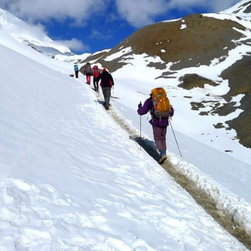
The Tilicho Lake trek increases the difficulty of the Annapurna Circuit trek due to its elevation and challenging terrain. Weather conditions can change rapidly, and snowfall may obscure sections of the path. Trekkers should be prepared for basic accommodation at Tilicho Base Camp and carry proper gear for cold temperatures.
The addition of Tilicho Lake usually extends the Annapurna Circuit trek by 2 to 3 days.
Why Combine Annapurna Circuit Trek and Tilicho Lake Trek?
Combining the Annapurna Circuit trek with the Tilicho Lake trek creates a comprehensive Himalayan expedition. The benefits of merging these two routes include:
1. Complete Geographic Experience
The Annapurna Circuit trek showcases varied ecological zones, while the Tilicho Lake trek introduces stark alpine desert and glacial lake scenery. Together, they provide unmatched landscape diversity.
2. Enhanced Acclimatization
Spending additional days on the Tilicho Lake route can support altitude adaptation before crossing Thorong La Pass, provided the itinerary is well structured.
3. Greater Adventure Factor
The Tilicho section adds remote and less crowded trails. Trekkers seeking solitude and a heightened sense of exploration often find this detour highly rewarding.
4. Personal Achievement
Reaching both Tilicho Lake (4,919 m) and Thorong La Pass (5,416 m) within one expedition represents a significant mountaineering milestone.
Best Time for Annapurna Circuit Trek and Tilicho Lake Trek
The optimal trekking seasons are:
- Spring (March to May): Stable weather, blooming rhododendrons, moderate temperatures.
- Autumn (September to November): Clear skies, excellent mountain visibility, minimal rainfall.
Winter trekking is possible but demanding due to snow accumulation, especially at Thorong La Pass. Monsoon season (June to August) is generally discouraged due to landslides and limited visibility.
Preparation and Essential Considerations
Physical Training
A structured fitness program focusing on cardiovascular endurance, leg strength, and stamina is essential. Multi-day hiking practice significantly improves performance and resilience.
Gear Requirements
- Layered clothing for temperature fluctuations
- Insulated down jacket
- Waterproof outer shell
- Proper trekking boots
- Sleeping bag rated for sub-zero temperatures
- Trekking poles
Permits
Trekkers must obtain:
- Annapurna Conservation Area Permit (ACAP)
- TIMS (Trekkers’ Information Management System) card
Health and Safety
Altitude awareness is critical. Adequate hydration, gradual ascent, and immediate descent in case of severe symptoms are fundamental safety protocols.
Cultural Immersion and Community Impact
The Annapurna Circuit trek and Tilicho Lake trek pass through communities that depend heavily on trekking tourism. Staying in local teahouses contributes directly to village economies. Trekkers are encouraged to respect local customs, dress modestly, and seek permission before photographing residents.
Buddhist prayer wheels, monasteries, and ancient trade routes reveal the region’s historical connection to Tibet. Engaging respectfully with these cultural elements enriches the journey beyond its physical challenges.
Environmental Responsibility
The Annapurna region is part of a protected conservation area. Sustainable trekking practices include:
- Minimizing plastic waste
- Using refillable water bottles
- Avoiding single-use packaging
- Carrying out non-biodegradable waste
Responsible tourism ensures that future generations can experience the same pristine beauty.
Conclusion: A Transformative Himalayan Odyssey
The Annapurna Circuit trek and Tilicho Lake trek represent more than high-altitude hikes; they are comprehensive Himalayan odysseys that combine physical endurance, cultural exploration, and spiritual depth.
The Annapurna Circuit trek delivers extraordinary geographic transitions and the iconic crossing of Thorong La Pass. The Tilicho Lake trek adds a dramatic, serene alpine dimension that elevates the journey into something truly exceptional.
Project Year: 2026
Project Cost: Less than USD 1,000