

What That Green Film on Your Siding Actually Is and Why It Keeps Coming Back
Introduction
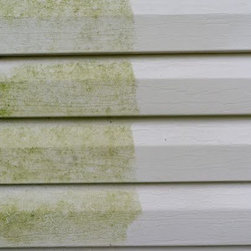
If you’ve ever noticed a faint green tint creeping across your home’s siding, you’re not alone. That green film is more than just dirt—it’s a living, growing layer of organic material that thrives under the right conditions. Many homeowners assume it’s simply grime from the environment, but the truth is far more scientific.
Understanding what causes this buildup is the first step toward stopping it. From microscopic organisms like algae and mildew to environmental factors such as humidity and sunlight, several elements work together to create—and sustain—that stubborn green coating. This article breaks down the science behind it, explains why it keeps returning, and offers practical ways to prevent it.
What That Green Film Really Is
The green film commonly seen on siding is primarily a type of algae, often Gloeocapsa magma. This microorganism thrives in moist, shaded environments and feeds on materials commonly found in siding, roofing, and organic debris.
In many cases, this algae is accompanied by mildew or mold, creating a layered biofilm that sticks firmly to surfaces. While algae itself is not always harmful to structural integrity, it can trap moisture, leading to long-term damage if left untreated.
Homeowners often search for solutions like Ashland KY pressure washing companies for residential homes when they first notice this buildup, but understanding what you’re dealing with is just as important as removing it. The biology of these organisms explains why simple cleaning doesn’t always provide a lasting fix.
Why Certain Sides of Your Home Are More Affected
Not all sides of a house are equally vulnerable to green buildup. If you’ve observed that one wall is consistently worse than others, there’s a clear reason behind it.
The north-facing side of a home typically receives the least sunlight, making it cooler and more humid—perfect conditions for algae growth. Similarly, areas shaded by trees, fences, or neighboring buildings tend to stay damp longer after rain or morning dew.
Sunlight plays a critical role because ultraviolet (UV) rays naturally inhibit the growth of many microorganisms. Without sufficient sunlight, algae can grow unchecked. This is why you may notice the green film appearing faster and more densely in shaded areas compared to sun-exposed sections.
The Role of Moisture and Humidity
Moisture is the single most important factor in the growth of algae and mildew. Without water, these organisms simply cannot survive.
In humid climates or during seasons with frequent rainfall, siding remains damp for extended periods. Even in relatively dry regions, morning dew and condensation can provide enough moisture to support growth.
Airborne moisture doesn’t just settle on surfaces—it lingers in porous materials like wood and certain types of siding. This creates a consistent environment where algae can grow beneath the surface, making it harder to fully remove.
Poor drainage systems, clogged gutters, and improper landscaping can also contribute to excess moisture around your home, accelerating the problem.
Airborne Nutrients and Environmental Factors
Algae doesn’t grow on water alone—it also needs nutrients. These nutrients often come from airborne particles such as dust, pollen, and organic debris.
When these particles settle on your siding, they create a thin layer of food for algae and mildew. Over time, this layer becomes a breeding ground for microorganisms.
Environmental factors like nearby vegetation can significantly increase the amount of organic material in the air. Homes surrounded by trees or gardens are especially prone to this issue.
Additionally, pollution and industrial particles can contribute to buildup, particularly in urban or suburban areas. These elements combine to create an ideal ecosystem for persistent growth.
Why It Keeps Coming Back After Cleaning
One of the most frustrating aspects of green buildup is how quickly it returns, even after thorough cleaning.
The reason lies in the microscopic roots and spores left behind. Standard cleaning methods may remove the visible layer, but they often fail to eliminate the underlying organisms completely. As soon as moisture and nutrients are available again, regrowth begins.
Another factor is the environment itself. If the conditions that allowed algae to grow in the first place remain unchanged—such as shade, humidity, and poor airflow—the problem will inevitably recur.
This is why long-term solutions require more than just cleaning. Addressing the root causes is essential for preventing future growth.
Prevention Strategies That Actually Work
Preventing green buildup involves a combination of environmental control and proper maintenance.
Start by improving sunlight exposure where possible. Trimming overhanging branches can significantly reduce shade and allow UV rays to reach affected areas.
Next, manage moisture effectively. Ensure gutters and downspouts are functioning properly, and direct water away from your home’s foundation. Improving ventilation around your property can also help surfaces dry more quickly.
Regular maintenance is key. Gentle cleaning methods, combined with preventative treatments, can slow down the growth of algae and mildew. In some cases, protective coatings or specialized cleaning solutions can provide longer-lasting results.
While pressure washing can be an effective removal method, it should be used carefully to avoid damaging siding. The focus should always be on balancing cleaning with prevention.
Conclusion
The green film on your siding is not just a cosmetic issue—it’s the result of a complex interaction between biology and environmental conditions. Algae, mildew, moisture, and airborne particles all contribute to its formation, while factors like shade and humidity determine how quickly it spreads.
Understanding these underlying causes is essential for keeping your home clean and protected. While solutions like Ashland KY pressure washing companies for residential homes can help remove the visible buildup, lasting results come from addressing the conditions that allow it to grow in the first place.
By improving sunlight exposure, managing moisture, and maintaining your home regularly, you can significantly reduce the chances of that green film returning—and keep your siding looking its best for years to come.
If you’ve ever noticed a faint green tint creeping across your home’s siding, you’re not alone. That green film is more than just dirt—it’s a living, growing layer of organic material that thrives under the right conditions. Many homeowners assume it’s simply grime from the environment, but the truth is far more scientific.
Understanding what causes this buildup is the first step toward stopping it. From microscopic organisms like algae and mildew to environmental factors such as humidity and sunlight, several elements work together to create—and sustain—that stubborn green coating. This article breaks down the science behind it, explains why it keeps returning, and offers practical ways to prevent it.
What That Green Film Really Is
The green film commonly seen on siding is primarily a type of algae, often Gloeocapsa magma. This microorganism thrives in moist, shaded environments and feeds on materials commonly found in siding, roofing, and organic debris.
In many cases, this algae is accompanied by mildew or mold, creating a layered biofilm that sticks firmly to surfaces. While algae itself is not always harmful to structural integrity, it can trap moisture, leading to long-term damage if left untreated.
Homeowners often search for solutions like Ashland KY pressure washing companies for residential homes when they first notice this buildup, but understanding what you’re dealing with is just as important as removing it. The biology of these organisms explains why simple cleaning doesn’t always provide a lasting fix.
Why Certain Sides of Your Home Are More Affected
Not all sides of a house are equally vulnerable to green buildup. If you’ve observed that one wall is consistently worse than others, there’s a clear reason behind it.
The north-facing side of a home typically receives the least sunlight, making it cooler and more humid—perfect conditions for algae growth. Similarly, areas shaded by trees, fences, or neighboring buildings tend to stay damp longer after rain or morning dew.
Sunlight plays a critical role because ultraviolet (UV) rays naturally inhibit the growth of many microorganisms. Without sufficient sunlight, algae can grow unchecked. This is why you may notice the green film appearing faster and more densely in shaded areas compared to sun-exposed sections.
The Role of Moisture and Humidity
Moisture is the single most important factor in the growth of algae and mildew. Without water, these organisms simply cannot survive.
In humid climates or during seasons with frequent rainfall, siding remains damp for extended periods. Even in relatively dry regions, morning dew and condensation can provide enough moisture to support growth.
Airborne moisture doesn’t just settle on surfaces—it lingers in porous materials like wood and certain types of siding. This creates a consistent environment where algae can grow beneath the surface, making it harder to fully remove.
Poor drainage systems, clogged gutters, and improper landscaping can also contribute to excess moisture around your home, accelerating the problem.
Airborne Nutrients and Environmental Factors
Algae doesn’t grow on water alone—it also needs nutrients. These nutrients often come from airborne particles such as dust, pollen, and organic debris.
When these particles settle on your siding, they create a thin layer of food for algae and mildew. Over time, this layer becomes a breeding ground for microorganisms.
Environmental factors like nearby vegetation can significantly increase the amount of organic material in the air. Homes surrounded by trees or gardens are especially prone to this issue.
Additionally, pollution and industrial particles can contribute to buildup, particularly in urban or suburban areas. These elements combine to create an ideal ecosystem for persistent growth.
Why It Keeps Coming Back After Cleaning
One of the most frustrating aspects of green buildup is how quickly it returns, even after thorough cleaning.
The reason lies in the microscopic roots and spores left behind. Standard cleaning methods may remove the visible layer, but they often fail to eliminate the underlying organisms completely. As soon as moisture and nutrients are available again, regrowth begins.
Another factor is the environment itself. If the conditions that allowed algae to grow in the first place remain unchanged—such as shade, humidity, and poor airflow—the problem will inevitably recur.
This is why long-term solutions require more than just cleaning. Addressing the root causes is essential for preventing future growth.
Prevention Strategies That Actually Work
Preventing green buildup involves a combination of environmental control and proper maintenance.
Start by improving sunlight exposure where possible. Trimming overhanging branches can significantly reduce shade and allow UV rays to reach affected areas.
Next, manage moisture effectively. Ensure gutters and downspouts are functioning properly, and direct water away from your home’s foundation. Improving ventilation around your property can also help surfaces dry more quickly.
Regular maintenance is key. Gentle cleaning methods, combined with preventative treatments, can slow down the growth of algae and mildew. In some cases, protective coatings or specialized cleaning solutions can provide longer-lasting results.
While pressure washing can be an effective removal method, it should be used carefully to avoid damaging siding. The focus should always be on balancing cleaning with prevention.
Conclusion
The green film on your siding is not just a cosmetic issue—it’s the result of a complex interaction between biology and environmental conditions. Algae, mildew, moisture, and airborne particles all contribute to its formation, while factors like shade and humidity determine how quickly it spreads.
Understanding these underlying causes is essential for keeping your home clean and protected. While solutions like Ashland KY pressure washing companies for residential homes can help remove the visible buildup, lasting results come from addressing the conditions that allow it to grow in the first place.
By improving sunlight exposure, managing moisture, and maintaining your home regularly, you can significantly reduce the chances of that green film returning—and keep your siding looking its best for years to come.
Project Year: 2026
Project Cost: Less than USD 1,000