

7 Tree Care Mistakes That Quietly Hurt Your Home’s Curb Appeal
Your front yard makes an impression before anyone reaches the door. Fresh paint, clean windows, and a tidy porch all help, but trees are one part of curb appeal that many homeowners overlook.
Healthy, well-shaped trees can make a home feel shaded, established, and welcoming, while neglected trees can make the yard look messy or unsafe. The tricky part is that tree damage often happens slowly, and small mistakes like poor pruning, too much mulch, or inconsistent watering can make the entire property look tired over time.
Here are seven tree care mistakes that quietly hurt your home’s curb appeal.
1. Letting Trees Grow Without Pruning
Trees do not need constant shaping like hedges, but leaving them untouched for years can quickly hurt your yard’s appearance. Dead branches, crossing limbs, low-hanging growth, and uneven canopies can make the entire property look neglected.
Overgrown trees can also hide your home’s best features by blocking windows, walkways, or the roofline. Proper pruning removes problematic branches while preserving the tree’s natural shape, helping it look clean, balanced, and healthy rather than forced or over-trimmed.
2. Topping Trees to Make Them Shorter
Topping is one of the worst shortcuts in tree care. It involves aggressively cutting back large sections of the upper canopy, often leaving ugly stubs that make the tree look damaged rather than well-maintained.
Homeowners sometimes do this when a tree feels too tall or too close to the house, but topping usually creates weaker, messier regrowth. If a tree has outgrown its space, the smarter solution is proper pruning, canopy reduction, or replacing it with a better-suited species.
3. Piling Mulch Against the Trunk
Mulch can make a landscape bed look cleaner while helping control weeds and retain soil moisture. But when it is piled high against the trunk like a volcano, it can do more harm than good.
This “mulch volcano” traps moisture around the bark and may lead to rot, pests, and root problems. A better approach is to spread mulch in a wide, shallow ring while keeping it a few inches away from the trunk, creating a polished look without suffocating the tree.
4. Planting the Wrong Tree in the Wrong Spot
A small tree at the garden center can turn into a serious problem years later. That cute sapling may eventually grow into power lines, crowd the driveway, scrape the roof, or overwhelm a smaller front yard.
Planting the wrong tree in the wrong place is an expensive curb appeal mistake because it gets worse with time. Before planting, consider the tree’s mature height, spread, root behavior, water needs, and distance from the house so it improves the landscape instead of becoming a maintenance headache.
5. Forgetting to Water Young Trees
New trees need more attention than established ones, especially during their first few seasons. Many homeowners plant a tree, water it once or twice, and assume rain will do the rest, but that kind of lazy maintenance often leads to sparse leaves, weak growth, early leaf drop, or branch dieback.
Consistent deep watering helps young trees develop strong roots and become healthy curb appeal features. Instead of quick surface watering, use slow, thorough watering and add proper mulch around the base to help retain moisture.
6. Damaging the Trunk With Lawn Equipment
Mowers and string trimmers can seriously damage the base of a tree. A small scrape may not look like much, but repeated wounds can weaken the trunk, invite decay, and make the lower part of the tree look scarred and unhealthy.
This often happens when grass grows right up to the trunk, turning every mowing session into a risk. Creating a mulch ring around the tree keeps lawn equipment away, gives the yard a cleaner look, and protects one of the tree’s most vulnerable areas.
7. Ignoring Signs of Decline
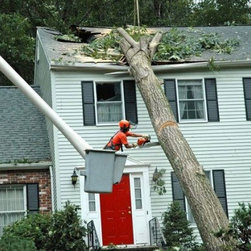
Dead limbs, thinning leaves, fungus, trunk cracks, and sudden leaning can make your home look neglected and raise safety concerns. Do not wait until a branch falls or the tree becomes an obvious hazard. Regular inspections can catch problems early, especially if the tree is damaged, unhealthy, or close to your home, driveway, or sidewalk.
Professional tree care services can help homeowners identify hidden issues, improve tree structure, and keep the landscape looking clean, safe, and attractive.
Final Thoughts
Great curb appeal is not only about flowers, paint colors, or porch décor. Your trees play Great curb appeal is not only about flowers, paint colors, or porch décor. Your trees play a major role in how your home looks from the street.
The good news is that most tree care mistakes are preventable. Prune with purpose. Skip the mulch volcano. Water young trees consistently. Protect trunks from lawn equipment. Most importantly, pay attention before small problems become expensive eyesores, especially when urgent hazards may require emergency tree services.
A healthy tree adds shade, beauty, and character. A neglected tree quietly drags down the entire yard. Treat your trees like part of your home’s exterior, because that is exactly what they are.
Healthy, well-shaped trees can make a home feel shaded, established, and welcoming, while neglected trees can make the yard look messy or unsafe. The tricky part is that tree damage often happens slowly, and small mistakes like poor pruning, too much mulch, or inconsistent watering can make the entire property look tired over time.
Here are seven tree care mistakes that quietly hurt your home’s curb appeal.
1. Letting Trees Grow Without Pruning
Trees do not need constant shaping like hedges, but leaving them untouched for years can quickly hurt your yard’s appearance. Dead branches, crossing limbs, low-hanging growth, and uneven canopies can make the entire property look neglected.
Overgrown trees can also hide your home’s best features by blocking windows, walkways, or the roofline. Proper pruning removes problematic branches while preserving the tree’s natural shape, helping it look clean, balanced, and healthy rather than forced or over-trimmed.
2. Topping Trees to Make Them Shorter
Topping is one of the worst shortcuts in tree care. It involves aggressively cutting back large sections of the upper canopy, often leaving ugly stubs that make the tree look damaged rather than well-maintained.
Homeowners sometimes do this when a tree feels too tall or too close to the house, but topping usually creates weaker, messier regrowth. If a tree has outgrown its space, the smarter solution is proper pruning, canopy reduction, or replacing it with a better-suited species.
3. Piling Mulch Against the Trunk
Mulch can make a landscape bed look cleaner while helping control weeds and retain soil moisture. But when it is piled high against the trunk like a volcano, it can do more harm than good.
This “mulch volcano” traps moisture around the bark and may lead to rot, pests, and root problems. A better approach is to spread mulch in a wide, shallow ring while keeping it a few inches away from the trunk, creating a polished look without suffocating the tree.
4. Planting the Wrong Tree in the Wrong Spot
A small tree at the garden center can turn into a serious problem years later. That cute sapling may eventually grow into power lines, crowd the driveway, scrape the roof, or overwhelm a smaller front yard.
Planting the wrong tree in the wrong place is an expensive curb appeal mistake because it gets worse with time. Before planting, consider the tree’s mature height, spread, root behavior, water needs, and distance from the house so it improves the landscape instead of becoming a maintenance headache.
5. Forgetting to Water Young Trees
New trees need more attention than established ones, especially during their first few seasons. Many homeowners plant a tree, water it once or twice, and assume rain will do the rest, but that kind of lazy maintenance often leads to sparse leaves, weak growth, early leaf drop, or branch dieback.
Consistent deep watering helps young trees develop strong roots and become healthy curb appeal features. Instead of quick surface watering, use slow, thorough watering and add proper mulch around the base to help retain moisture.
6. Damaging the Trunk With Lawn Equipment
Mowers and string trimmers can seriously damage the base of a tree. A small scrape may not look like much, but repeated wounds can weaken the trunk, invite decay, and make the lower part of the tree look scarred and unhealthy.
This often happens when grass grows right up to the trunk, turning every mowing session into a risk. Creating a mulch ring around the tree keeps lawn equipment away, gives the yard a cleaner look, and protects one of the tree’s most vulnerable areas.
7. Ignoring Signs of Decline
Dead limbs, thinning leaves, fungus, trunk cracks, and sudden leaning can make your home look neglected and raise safety concerns. Do not wait until a branch falls or the tree becomes an obvious hazard. Regular inspections can catch problems early, especially if the tree is damaged, unhealthy, or close to your home, driveway, or sidewalk.
Professional tree care services can help homeowners identify hidden issues, improve tree structure, and keep the landscape looking clean, safe, and attractive.
Final Thoughts
Great curb appeal is not only about flowers, paint colors, or porch décor. Your trees play Great curb appeal is not only about flowers, paint colors, or porch décor. Your trees play a major role in how your home looks from the street.
The good news is that most tree care mistakes are preventable. Prune with purpose. Skip the mulch volcano. Water young trees consistently. Protect trunks from lawn equipment. Most importantly, pay attention before small problems become expensive eyesores, especially when urgent hazards may require emergency tree services.
A healthy tree adds shade, beauty, and character. A neglected tree quietly drags down the entire yard. Treat your trees like part of your home’s exterior, because that is exactly what they are.