

What Is a WPC Wall Panel: Key Materials and Manufacturing Insights
In today's building world, people focus more on strong materials, green choices, and quick setup. WPC wall panels have caught a lot of notice in homes and business spots. Before we examine their makeup and how they're made, it's good to know how they differ from old wall covers.
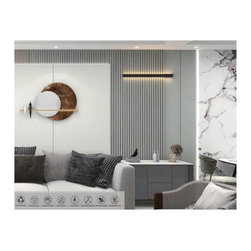
img.What Is a WPC Wall Panel Key Materials and Manufacturing Insights.jpg
What Makes a WPC Wall Panel Different from Traditional Wall Materials?
When you plan wall finishes for buildings, you usually seek items that mix toughness with nice looks. WPC wall panels have become a favored pick because they fix many problems that regular wall items run into.
Why WPC Combines the Strength of Wood and Plastic for Superior Performance
WPC means Wood-Plastic Composite, which is a mix of wood bits and plastic types. This blend creates panels that look much like real wood. Yet, they do better in several ways. WPC wall panels come from PVC plastic and wood powder pushed through a machine. The top layer gets a wood grain cover to give a real wood feel. This setup brings a natural look while fighting water, rot, and bugs. These are usual troubles for plain wood panels.
You will see WPC as very useful in rooms that need both lasting power and style. These panels join the warm feel of wood with the smart features of plastic tech. They give great guard against water, bending, and daily use. And all this comes without losing their charm.
How the Composition of WPC Affects Its Long-Term Use
Not every WPC works the same. The way a WPC wall panel holds up over time relies a lot on how it is put together. More plastic makes it better at keeping water out and staying bendy. More wood bits add to the real wood look and help with sound control. The top items find a good mix. They provide power without giving up on a cozy feel.
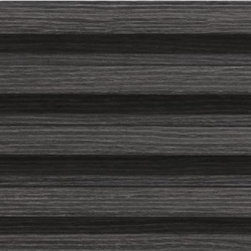
For example, the WPC WALL PANEL WP16702 shows a perfect balance of build strength and style options. Its grooved top adds a lively feel to any room inside. At the same time, it keeps a firm shape for years.
img.HUAHONG DECOR's WPC WALL PANEL WP16702.jpg
Why Professionals Prefer WPC Over MDF or PVC Panels
Next to MDF, which can puff up or twist in damp air, or PVC, which misses deep looks, WPC shines. More than just pretty sights, these panels fight water, bending, and hits well. They keep their nice look with little care. This turns them into a wise pick for busy business areas or home spots like kitchens and baths.
How Are WPC Wall Panels Manufactured?
WPC wall panels get built with care. The way they are made matters a great deal for steady quality and work in each part.
What Happens During the Extrusion Process That Shapes the Panel
In making them, wood bits and plastic mixes get stirred under strong heat. Then, they get pushed out through shapes to make panels with even size and form. By using side-by-side pushing and cover steps, the top stays hard to scratch. The inside core still forms from a pushed wood-plastic mix with a thick pack. This leads to a solid item that cuts or sets up without breaks or layers coming apart.
The pushing step lets makers create special shapes like grooves or lines that catch the eye. It also makes sure sizes match exactly; that is key when fitting many panels in place.
Why Surface Treatment Methods Matter for Final Appearance
After forming, lots of panels get extra steps like pressing patterns or adding layers. These ways bring a true feel by copying looks of oak, walnut, or even raised stone designs. The deep and stacked sense of WPC wall panels can show well the style of the room setup. Adding layers also helps fight sun fade and keep colors steady. Your walls stay bright for a long time.
Pick pressed or layered tops to fit with new style ideas or old room feels based on what you want.
How Quality Control Ensures Each Panel Meets Industry Standards
Every WPC panel faces tough checks. These cover hit tests, size matches, and water fight checks. Such steps make sure each group stays the same. They also confirm the panels work well with other build items.
The end product is one you can count on. It fits smoothly with other finished parts and follows world-building rules.
Where Can You Use WPC Wall Panels Effectively?
WPC does not just bend to many uses. It works best in places where other items fail. From damp spots to main walls in fancy insides, it adds shape and use.
What Makes WPC Ideal for Both Indoor Living Spaces and Outdoor Facades
Because of their waterproof inside and sun-safe top layers, WPC wall panels do fine in wet inside areas and open outside walls. If soaked in water, it will not bend or grow mold. You can use it in the bathroom, kitchen, and basement. Be it a balcony cover job or a bath wall fix, these panels will not twist or break down as time goes on.
This quality makes them extra helpful in areas with much rain or changing heat.
Why Designers Choose It for Feature Walls and Decorative Applications
Design folks often pick WPC panels for big show parts because of their many top choices. If you make a key wall in a home entry or cover a high-end shop area, a fit is there. WPC wall panels offer a wide pick of colors and feels. This meets the custom wants of different buyers.
What Should You Consider When Selecting the Right Type of WPC Wall Panel?
Picking the best panel goes beyond just shade. It covers fitness for use, lasting time, and simple setup.
Which Factors Influence Thickness Choice Based on Application Area
Thicker panels from 8 to 12 mm give more hit guard and suit business halls or open spots. Slimmer types from 6 to 7 mm fit as pretty covers in home insides. Pick by job; need to make sure looks match and build lasts.
How Color Stability Impacts Long-Term Visual Appeal
For outside setups, you need sun-fight tops to stop color loss. Better sun hold (50% gain), water fight, and salt mist bear, great for shore and wet areas. Always look for sun-safe covers if your panel sees direct light.
This keeps color even through times of year and cuts down on swap needs.
Why Installation Systems Affect Overall Project Efficiency
Some WPC panels have tongue-and-groove links, and others use hidden clip ways or glue holds. Pick the right setup to cut work time by up to 40% on big jobs. WPC wall panel uses a smooth join design, and the setup steps are easy and quick. Even those without pro skills can finish the job without trouble.
For wide jobs like shop lines or guest chains, this quick way turns into big money savings.
Who Can You Trust for a Reliable Supply of High-Quality WPC Wall Panels?
You want more than good quality. You need trust, custom picks, and world ship help.
That is why pros around the globe pick HUAHONG DECOR. With over 15 years in top-build items, HUAHONG DECOR mixs new making with style-led ideas. Their full chain from new finds to ship lets them give strong fixes made for many jobs in business insides and fancy homes.
HUAHONG DECOR blends "Art Empowering Engineering, Design Driving Functionality" as its main idea. They bring full fixes for wall setups, grilles, and skirting boards. This serves business spots, hotels, and fancy homes. Their item list has PS panels, sound MDF choices, and weather-strong WPC. All get built for green ways.
If you plan a new front room or an outside deck wall, HUAHONG DECOR’s world spread makes sure of on-time sending with a big feel book made by over 100 design pros from many lands.
FAQ
Q: Can I install WPC wall panels by myself without professional help?
A: Yes. Many panels feature seamless splicing or interlocking systems that make DIY installation easy using basic tools.
Q: Are WPC wall panels safe for indoor air quality?
A: Absolutely. They are made from eco-friendly materials free from formaldehyde or heavy metals—safe for residential use.
Q: How do I clean and maintain my installed WPC wall panel?
A: Use a damp cloth for indoor use; occasional rinsing is enough for exterior applications. No special chemicals needed.
img.What Is a WPC Wall Panel Key Materials and Manufacturing Insights.jpg
What Makes a WPC Wall Panel Different from Traditional Wall Materials?
When you plan wall finishes for buildings, you usually seek items that mix toughness with nice looks. WPC wall panels have become a favored pick because they fix many problems that regular wall items run into.
Why WPC Combines the Strength of Wood and Plastic for Superior Performance
WPC means Wood-Plastic Composite, which is a mix of wood bits and plastic types. This blend creates panels that look much like real wood. Yet, they do better in several ways. WPC wall panels come from PVC plastic and wood powder pushed through a machine. The top layer gets a wood grain cover to give a real wood feel. This setup brings a natural look while fighting water, rot, and bugs. These are usual troubles for plain wood panels.
You will see WPC as very useful in rooms that need both lasting power and style. These panels join the warm feel of wood with the smart features of plastic tech. They give great guard against water, bending, and daily use. And all this comes without losing their charm.
How the Composition of WPC Affects Its Long-Term Use
Not every WPC works the same. The way a WPC wall panel holds up over time relies a lot on how it is put together. More plastic makes it better at keeping water out and staying bendy. More wood bits add to the real wood look and help with sound control. The top items find a good mix. They provide power without giving up on a cozy feel.
For example, the WPC WALL PANEL WP16702 shows a perfect balance of build strength and style options. Its grooved top adds a lively feel to any room inside. At the same time, it keeps a firm shape for years.
img.HUAHONG DECOR's WPC WALL PANEL WP16702.jpg
Why Professionals Prefer WPC Over MDF or PVC Panels
Next to MDF, which can puff up or twist in damp air, or PVC, which misses deep looks, WPC shines. More than just pretty sights, these panels fight water, bending, and hits well. They keep their nice look with little care. This turns them into a wise pick for busy business areas or home spots like kitchens and baths.
How Are WPC Wall Panels Manufactured?
WPC wall panels get built with care. The way they are made matters a great deal for steady quality and work in each part.
What Happens During the Extrusion Process That Shapes the Panel
In making them, wood bits and plastic mixes get stirred under strong heat. Then, they get pushed out through shapes to make panels with even size and form. By using side-by-side pushing and cover steps, the top stays hard to scratch. The inside core still forms from a pushed wood-plastic mix with a thick pack. This leads to a solid item that cuts or sets up without breaks or layers coming apart.
The pushing step lets makers create special shapes like grooves or lines that catch the eye. It also makes sure sizes match exactly; that is key when fitting many panels in place.
Why Surface Treatment Methods Matter for Final Appearance
After forming, lots of panels get extra steps like pressing patterns or adding layers. These ways bring a true feel by copying looks of oak, walnut, or even raised stone designs. The deep and stacked sense of WPC wall panels can show well the style of the room setup. Adding layers also helps fight sun fade and keep colors steady. Your walls stay bright for a long time.
Pick pressed or layered tops to fit with new style ideas or old room feels based on what you want.
How Quality Control Ensures Each Panel Meets Industry Standards
Every WPC panel faces tough checks. These cover hit tests, size matches, and water fight checks. Such steps make sure each group stays the same. They also confirm the panels work well with other build items.
The end product is one you can count on. It fits smoothly with other finished parts and follows world-building rules.
Where Can You Use WPC Wall Panels Effectively?
WPC does not just bend to many uses. It works best in places where other items fail. From damp spots to main walls in fancy insides, it adds shape and use.
What Makes WPC Ideal for Both Indoor Living Spaces and Outdoor Facades
Because of their waterproof inside and sun-safe top layers, WPC wall panels do fine in wet inside areas and open outside walls. If soaked in water, it will not bend or grow mold. You can use it in the bathroom, kitchen, and basement. Be it a balcony cover job or a bath wall fix, these panels will not twist or break down as time goes on.
This quality makes them extra helpful in areas with much rain or changing heat.
Why Designers Choose It for Feature Walls and Decorative Applications
Design folks often pick WPC panels for big show parts because of their many top choices. If you make a key wall in a home entry or cover a high-end shop area, a fit is there. WPC wall panels offer a wide pick of colors and feels. This meets the custom wants of different buyers.
What Should You Consider When Selecting the Right Type of WPC Wall Panel?
Picking the best panel goes beyond just shade. It covers fitness for use, lasting time, and simple setup.
Which Factors Influence Thickness Choice Based on Application Area
Thicker panels from 8 to 12 mm give more hit guard and suit business halls or open spots. Slimmer types from 6 to 7 mm fit as pretty covers in home insides. Pick by job; need to make sure looks match and build lasts.
How Color Stability Impacts Long-Term Visual Appeal
For outside setups, you need sun-fight tops to stop color loss. Better sun hold (50% gain), water fight, and salt mist bear, great for shore and wet areas. Always look for sun-safe covers if your panel sees direct light.
This keeps color even through times of year and cuts down on swap needs.
Why Installation Systems Affect Overall Project Efficiency
Some WPC panels have tongue-and-groove links, and others use hidden clip ways or glue holds. Pick the right setup to cut work time by up to 40% on big jobs. WPC wall panel uses a smooth join design, and the setup steps are easy and quick. Even those without pro skills can finish the job without trouble.
For wide jobs like shop lines or guest chains, this quick way turns into big money savings.
Who Can You Trust for a Reliable Supply of High-Quality WPC Wall Panels?
You want more than good quality. You need trust, custom picks, and world ship help.
That is why pros around the globe pick HUAHONG DECOR. With over 15 years in top-build items, HUAHONG DECOR mixs new making with style-led ideas. Their full chain from new finds to ship lets them give strong fixes made for many jobs in business insides and fancy homes.
HUAHONG DECOR blends "Art Empowering Engineering, Design Driving Functionality" as its main idea. They bring full fixes for wall setups, grilles, and skirting boards. This serves business spots, hotels, and fancy homes. Their item list has PS panels, sound MDF choices, and weather-strong WPC. All get built for green ways.
If you plan a new front room or an outside deck wall, HUAHONG DECOR’s world spread makes sure of on-time sending with a big feel book made by over 100 design pros from many lands.
FAQ
Q: Can I install WPC wall panels by myself without professional help?
A: Yes. Many panels feature seamless splicing or interlocking systems that make DIY installation easy using basic tools.
Q: Are WPC wall panels safe for indoor air quality?
A: Absolutely. They are made from eco-friendly materials free from formaldehyde or heavy metals—safe for residential use.
Q: How do I clean and maintain my installed WPC wall panel?
A: Use a damp cloth for indoor use; occasional rinsing is enough for exterior applications. No special chemicals needed.