

Transform Your Garden Space: Tips for Planning and Organizing Your Outdoor Oasis
Creating a beautiful garden can feel overwhelming, especially when you’re staring at an empty plot of land or a small backyard space. From deciding which plants to include to organizing walkways and seating areas, there’s a lot to consider. But with a bit of planning and some smart organization, your garden can transform into a vibrant, relaxing oasis.
Start with a Clear Vision
Before planting a single flower or laying a single stone, it’s essential to define what you want your garden to be. Are you looking for a lush vegetable patch, a colorful flower garden, or a serene retreat with comfortable seating? Identifying your vision helps narrow down plant choices, design elements, and layout.
It’s also helpful to map out your ideas visually. Tools for creating a chart design can help you organize your space effectively. By plotting your garden layout with a visual guide, you can experiment with plant arrangements, pathways, and focal points without committing to changes in the actual garden. This approach saves time, reduces mistakes, and ensures that every element fits together harmoniously.
Consider Your Garden’s Microclimate
Every garden has its own microclimate—variations in sunlight, wind, soil, and moisture that can affect plant growth. Observe your garden throughout the day to see which areas receive full sun, partial shade, or deep shade. Keep track of wind patterns and note spots where water tends to pool after rainfall.
Understanding these details allows you to select plants that thrive in each specific area. For example, sun-loving vegetables like tomatoes or peppers should go in the brightest spots, while ferns and hostas do well in shadier, damper corners. Even small adjustments, like moving a raised bed or adding a windbreak, can make a significant difference in your garden’s overall health and productivity.
Layer Plants for Depth and Interest
A common mistake in garden design is planting everything at the same height. Layering plants in tiers creates depth and visual interest. Place taller plants, such as sunflowers or hollyhocks, at the back or center of a garden bed, and gradually move to medium-height shrubs and lower ground covers toward the front.
Incorporating different textures and colors also enhances the garden’s appeal. Combine leafy greens with vibrant flowers, or mix spiky plants with soft, flowing foliage. This approach creates a more dynamic and inviting space, giving your garden a professional, curated feel without requiring extensive expertise.
Make Paths and Seating Functional
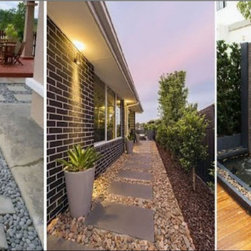
A beautiful garden isn’t just about plants—it’s about the experience. Thoughtful pathways and seating areas make your garden enjoyable and easy to navigate. Gravel, stepping stones, or mulch can define paths, while benches, hammocks, or small tables encourage relaxation and observation.
Try to create “rooms” within your garden, where different areas serve distinct purposes. For instance, a quiet corner with a bench can be your reading nook, while a sunny patch may be ideal for growing herbs. Using space creatively ensures your garden feels larger and more organized than it really is.
Maintenance Strategies That Work
Even the most beautiful garden requires maintenance, but smart planning can reduce your workload. Mulching around plants helps retain moisture and suppress weeds, while drip irrigation or soaker hoses deliver water efficiently. Grouping plants with similar water and sunlight needs together also simplifies care.
Seasonal planning is another valuable tip. Rotate vegetables, prune shrubs, and plan for year-round interest with evergreens or late-blooming flowers. These steps keep your garden vibrant and thriving without constant stress.
Personal Touches Elevate Your Garden
Adding personal touches gives your garden character and makes it uniquely yours. Decorative pots, garden sculptures, or bird feeders bring charm and personality. Even a small DIY project, like painted plant markers or a homemade trellis, can make your garden feel special.
Remember, gardening is as much about enjoyment as it is about aesthetics. Take the time to sit in your space, notice the growth, and adjust as needed. Your garden is a living canvas, evolving with the seasons and reflecting your creativity.
Conclusion
Planning and organizing your garden doesn’t have to be intimidating. With careful observation, thoughtful design, and a few helpful tools, you can create an outdoor space that’s both functional and beautiful. Whether you’re starting small or reimagining an entire backyard, each step you take brings your vision closer to reality. A little planning today ensures a thriving, inviting garden tomorrow.
Start with a Clear Vision
Before planting a single flower or laying a single stone, it’s essential to define what you want your garden to be. Are you looking for a lush vegetable patch, a colorful flower garden, or a serene retreat with comfortable seating? Identifying your vision helps narrow down plant choices, design elements, and layout.
It’s also helpful to map out your ideas visually. Tools for creating a chart design can help you organize your space effectively. By plotting your garden layout with a visual guide, you can experiment with plant arrangements, pathways, and focal points without committing to changes in the actual garden. This approach saves time, reduces mistakes, and ensures that every element fits together harmoniously.
Consider Your Garden’s Microclimate
Every garden has its own microclimate—variations in sunlight, wind, soil, and moisture that can affect plant growth. Observe your garden throughout the day to see which areas receive full sun, partial shade, or deep shade. Keep track of wind patterns and note spots where water tends to pool after rainfall.
Understanding these details allows you to select plants that thrive in each specific area. For example, sun-loving vegetables like tomatoes or peppers should go in the brightest spots, while ferns and hostas do well in shadier, damper corners. Even small adjustments, like moving a raised bed or adding a windbreak, can make a significant difference in your garden’s overall health and productivity.
Layer Plants for Depth and Interest
A common mistake in garden design is planting everything at the same height. Layering plants in tiers creates depth and visual interest. Place taller plants, such as sunflowers or hollyhocks, at the back or center of a garden bed, and gradually move to medium-height shrubs and lower ground covers toward the front.
Incorporating different textures and colors also enhances the garden’s appeal. Combine leafy greens with vibrant flowers, or mix spiky plants with soft, flowing foliage. This approach creates a more dynamic and inviting space, giving your garden a professional, curated feel without requiring extensive expertise.
Make Paths and Seating Functional
A beautiful garden isn’t just about plants—it’s about the experience. Thoughtful pathways and seating areas make your garden enjoyable and easy to navigate. Gravel, stepping stones, or mulch can define paths, while benches, hammocks, or small tables encourage relaxation and observation.
Try to create “rooms” within your garden, where different areas serve distinct purposes. For instance, a quiet corner with a bench can be your reading nook, while a sunny patch may be ideal for growing herbs. Using space creatively ensures your garden feels larger and more organized than it really is.
Maintenance Strategies That Work
Even the most beautiful garden requires maintenance, but smart planning can reduce your workload. Mulching around plants helps retain moisture and suppress weeds, while drip irrigation or soaker hoses deliver water efficiently. Grouping plants with similar water and sunlight needs together also simplifies care.
Seasonal planning is another valuable tip. Rotate vegetables, prune shrubs, and plan for year-round interest with evergreens or late-blooming flowers. These steps keep your garden vibrant and thriving without constant stress.
Personal Touches Elevate Your Garden
Adding personal touches gives your garden character and makes it uniquely yours. Decorative pots, garden sculptures, or bird feeders bring charm and personality. Even a small DIY project, like painted plant markers or a homemade trellis, can make your garden feel special.
Remember, gardening is as much about enjoyment as it is about aesthetics. Take the time to sit in your space, notice the growth, and adjust as needed. Your garden is a living canvas, evolving with the seasons and reflecting your creativity.
Conclusion
Planning and organizing your garden doesn’t have to be intimidating. With careful observation, thoughtful design, and a few helpful tools, you can create an outdoor space that’s both functional and beautiful. Whether you’re starting small or reimagining an entire backyard, each step you take brings your vision closer to reality. A little planning today ensures a thriving, inviting garden tomorrow.