

Ipe vs Composite Decking: A 20-Year Comparison for Homeowners
Understanding the Long-Term Decking Decision
Choosing the right decking material is about far more than appearance or upfront cost. A deck is a long-term investment that influences maintenance expenses, outdoor comfort, durability, and property value for years to come. Among premium decking materials, Ipe and composite remain two of the most popular choices for homeowners seeking performance and visual appeal. While both are considered high-quality materials, their true value becomes much clearer when evaluated over a 20-year period.
Ipe is a tropical hardwood known for its incredible density, Ipe vs composite decking rich natural appearance, and exceptional lifespan. Composite decking is manufactured from a blend of recycled wood fibers and plastic materials, designed to replicate the look of wood while minimizing maintenance demands. Both materials offer distinct advantages, but the right choice depends on how homeowners balance budget, maintenance preferences, and long-term expectations.
Initial Cost and Installation
At first glance, composite decking often appears to be the more accessible option. Many homeowners are attracted to its predictable pricing, broad availability, and relatively straightforward installation process. Although premium composite brands can be costly, many still fall within a manageable range for homeowners focused on balancing quality with convenience.
Ipe generally comes with a higher initial investment. As one of the densest hardwoods available, it is more difficult to cut, drill, and install than standard decking materials. This often increases labor costs and requires experienced contractors familiar with hardwood installations. While the upfront cost is higher, many homeowners view Ipe as a premium long-term investment rather than a short-term expense.
Installation decisions should not be based solely on initial pricing. Homeowners should consider how material performance and maintenance costs will affect the total ownership cost over time.
Maintenance Over Two Decades
One of the biggest reasons homeowners choose composite decking is its low-maintenance appeal. Composite does not require staining, sealing, sanding, or refinishing. In most cases, occasional washing is sufficient to keep the deck clean and visually appealing. This convenience makes composite especially attractive to homeowners who want an outdoor space without ongoing maintenance obligations.
Over a 20-year period, reduced maintenance can save both time and money. Composite is ideal for those who prefer predictable ownership with minimal upkeep.
Ipe, on the other hand, requires more attention, Ipe vs composite decking, if homeowners wish to preserve its original rich brown color. Applying oil periodically helps maintain its natural appearance and protects against weathering. Without treatment, Ipe gradually develops a silver-gray patina that many homeowners find equally attractive.
Unlike composite, however, Ipe offers the advantage of restorability. Surface scratches, wear marks, and weather exposure can often be corrected through sanding and refinishing. This flexibility allows homeowners to refresh the appearance of the deck even after years of use.
Durability and Structural Lifespan
When evaluating durability, Ipe has a strong reputation for exceptional longevity. Its dense composition makes it naturally resistant to insects, rot, mold, and moisture damage. Properly installed and maintained, an Ipe deck can last for several decades and often outlast many other premium materials.
This makes Ipe particularly appealing for homeowners seeking a long-term structural solution. It performs well in demanding climates and can handle heavy foot traffic, furniture movement, and general outdoor wear.
Composite decking has also improved significantly in durability over the years. High-quality composite boards are engineered to resist fading, moisture damage, splintering, and insect issues. Many composite decks perform well for decades, making them a reliable option for most residential projects.
However, lower-quality composite products may experience cosmetic wear, surface scratching, or fading over time. While structurally sound, appearance-related concerns can become more noticeable after years of exposure.
Appearance and Aging
Aesthetic aging is another major factor homeowners should consider. Composite decking offers a clean, uniform appearance with consistent coloring and texture. This polished look appeals to homeowners who prefer a modern and low-maintenance aesthetic.
In the earlier years, composite typically maintains its appearance well. However, if boards become heavily scratched or stained, restoration options are limited. Unlike wood, composite surfaces generally cannot be sanded or refinished.
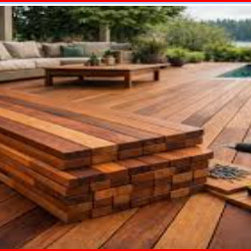
Ipe offers a more natural and luxurious appearance from the beginning. Its deep color variation and authentic grain pattern create a premium finish that many synthetic products struggle to replicate.
As Ipe ages, homeowners have flexibility. They can maintain its original rich tone through periodic oiling or allow it to develop a natural gray patina. This ability to choose how the material matures gives Ipe a unique advantage in long-term visual appeal.
Performance in Daily Use
Comfort and practical performance also play an important role in long-term satisfaction. Composite decking can absorb significant heat under direct sunlight, especially in darker colors. In hot climates, surfaces may become uncomfortable during peak daytime temperatures.
Ipe generally remains cooler underfoot and offers a dense, solid feel that many homeowners appreciate. Its hardness also makes it highly resistant to scratches and dents, making it well suited for active households, pets, and heavy furniture use.
For homeowners who prioritize a natural texture and premium feel, Ipe often delivers a more authentic outdoor experience.
Which Material Offers Better 20-Year Value
The better long-term investment depends entirely on homeowner priorities. Composite decking is often the best choice for those seeking convenience, lower maintenance demands, and predictable ownership costs. It is a practical solution for busy homeowners who want an attractive outdoor space without regular upkeep.
Ipe is better suited for homeowners focused on durability, natural beauty, and long-term structural value. Although it requires greater initial investment and maintenance, its lifespan, refinishing potential, and premium appearance often justify the commitment.
Over a 20-year period, both materials can perform exceptionally well when chosen for the right reasons. Homeowners should think beyond installation costs and evaluate how each material aligns with their lifestyle, climate, and expectations.
A deck is more than a construction project. It is an extension of the home and a space designed for years of enjoyment. Making the right material decision from the start ensures better value, fewer regrets, and stronger long-term satisfaction.
Choosing the right decking material is about far more than appearance or upfront cost. A deck is a long-term investment that influences maintenance expenses, outdoor comfort, durability, and property value for years to come. Among premium decking materials, Ipe and composite remain two of the most popular choices for homeowners seeking performance and visual appeal. While both are considered high-quality materials, their true value becomes much clearer when evaluated over a 20-year period.
Ipe is a tropical hardwood known for its incredible density, Ipe vs composite decking rich natural appearance, and exceptional lifespan. Composite decking is manufactured from a blend of recycled wood fibers and plastic materials, designed to replicate the look of wood while minimizing maintenance demands. Both materials offer distinct advantages, but the right choice depends on how homeowners balance budget, maintenance preferences, and long-term expectations.
Initial Cost and Installation
At first glance, composite decking often appears to be the more accessible option. Many homeowners are attracted to its predictable pricing, broad availability, and relatively straightforward installation process. Although premium composite brands can be costly, many still fall within a manageable range for homeowners focused on balancing quality with convenience.
Ipe generally comes with a higher initial investment. As one of the densest hardwoods available, it is more difficult to cut, drill, and install than standard decking materials. This often increases labor costs and requires experienced contractors familiar with hardwood installations. While the upfront cost is higher, many homeowners view Ipe as a premium long-term investment rather than a short-term expense.
Installation decisions should not be based solely on initial pricing. Homeowners should consider how material performance and maintenance costs will affect the total ownership cost over time.
Maintenance Over Two Decades
One of the biggest reasons homeowners choose composite decking is its low-maintenance appeal. Composite does not require staining, sealing, sanding, or refinishing. In most cases, occasional washing is sufficient to keep the deck clean and visually appealing. This convenience makes composite especially attractive to homeowners who want an outdoor space without ongoing maintenance obligations.
Over a 20-year period, reduced maintenance can save both time and money. Composite is ideal for those who prefer predictable ownership with minimal upkeep.
Ipe, on the other hand, requires more attention, Ipe vs composite decking, if homeowners wish to preserve its original rich brown color. Applying oil periodically helps maintain its natural appearance and protects against weathering. Without treatment, Ipe gradually develops a silver-gray patina that many homeowners find equally attractive.
Unlike composite, however, Ipe offers the advantage of restorability. Surface scratches, wear marks, and weather exposure can often be corrected through sanding and refinishing. This flexibility allows homeowners to refresh the appearance of the deck even after years of use.
Durability and Structural Lifespan
When evaluating durability, Ipe has a strong reputation for exceptional longevity. Its dense composition makes it naturally resistant to insects, rot, mold, and moisture damage. Properly installed and maintained, an Ipe deck can last for several decades and often outlast many other premium materials.
This makes Ipe particularly appealing for homeowners seeking a long-term structural solution. It performs well in demanding climates and can handle heavy foot traffic, furniture movement, and general outdoor wear.
Composite decking has also improved significantly in durability over the years. High-quality composite boards are engineered to resist fading, moisture damage, splintering, and insect issues. Many composite decks perform well for decades, making them a reliable option for most residential projects.
However, lower-quality composite products may experience cosmetic wear, surface scratching, or fading over time. While structurally sound, appearance-related concerns can become more noticeable after years of exposure.
Appearance and Aging
Aesthetic aging is another major factor homeowners should consider. Composite decking offers a clean, uniform appearance with consistent coloring and texture. This polished look appeals to homeowners who prefer a modern and low-maintenance aesthetic.
In the earlier years, composite typically maintains its appearance well. However, if boards become heavily scratched or stained, restoration options are limited. Unlike wood, composite surfaces generally cannot be sanded or refinished.
Ipe offers a more natural and luxurious appearance from the beginning. Its deep color variation and authentic grain pattern create a premium finish that many synthetic products struggle to replicate.
As Ipe ages, homeowners have flexibility. They can maintain its original rich tone through periodic oiling or allow it to develop a natural gray patina. This ability to choose how the material matures gives Ipe a unique advantage in long-term visual appeal.
Performance in Daily Use
Comfort and practical performance also play an important role in long-term satisfaction. Composite decking can absorb significant heat under direct sunlight, especially in darker colors. In hot climates, surfaces may become uncomfortable during peak daytime temperatures.
Ipe generally remains cooler underfoot and offers a dense, solid feel that many homeowners appreciate. Its hardness also makes it highly resistant to scratches and dents, making it well suited for active households, pets, and heavy furniture use.
For homeowners who prioritize a natural texture and premium feel, Ipe often delivers a more authentic outdoor experience.
Which Material Offers Better 20-Year Value
The better long-term investment depends entirely on homeowner priorities. Composite decking is often the best choice for those seeking convenience, lower maintenance demands, and predictable ownership costs. It is a practical solution for busy homeowners who want an attractive outdoor space without regular upkeep.
Ipe is better suited for homeowners focused on durability, natural beauty, and long-term structural value. Although it requires greater initial investment and maintenance, its lifespan, refinishing potential, and premium appearance often justify the commitment.
Over a 20-year period, both materials can perform exceptionally well when chosen for the right reasons. Homeowners should think beyond installation costs and evaluate how each material aligns with their lifestyle, climate, and expectations.
A deck is more than a construction project. It is an extension of the home and a space designed for years of enjoyment. Making the right material decision from the start ensures better value, fewer regrets, and stronger long-term satisfaction.
Project Year: 2026
Project Cost: Less than AUD 1,000