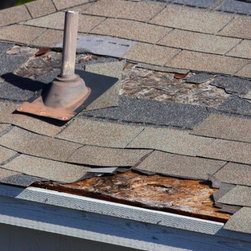


Signs Your Roof Needs Repair Before Minor Damage Becomes a Major Problem
Imagine cleaning up your yard on a quiet weekend morning and noticing a thick layer of dark, sand-like granules piled directly beneath your gutter downspout. For many property owners, a small detail like this is easy to pass over. However, these tiny mineral pieces are the protective outer shield of your asphalt shingles. When they start sloughing off in high volumes, it is one of the earliest warnings that your roofing system is struggling against the elements.
Roof degradation rarely happens overnight. Instead, it is a gradual process in which minor wear creates micro-vulnerabilities that eventually allow water to penetrate the structural layers of a building. Understanding the subtle warning signs of roof stress allows property owners to manage maintenance proactively, safeguarding their financial investment before severe water intrusion occurs.
Common Visual Indicators of Shingle and Membrane Wear
When a roof begins to age or suffers wind damage, it exhibits distinct visual symptoms. Homeowners can safely spot many of these indicators from the ground using binoculars, avoiding the safety risks of climbing a ladder.
1. Deformed or Shifting Shingles
As asphalt shingles reach the end of their operational lifespan, the underlying fiberglass mat becomes brittle. This causes the edges of the shingles to curl upward or cup downward. Deformed shingles can no longer lay flat against the roof deck, leaving the system highly vulnerable to blow-offs during high winds.
2. Fractured or Separated Flashing
Flashing consists of thin metal sheets installed around roof penetrations, including chimneys, dormers, and plumbing vent stacks. Because metal expands and contracts at a different rate than asphalt or wood, the sealant lines around flashing are subject to severe mechanical stress. Cracked, rusted, or lifted flashing provides an absolute direct pathway for rushing rainwater to bypass your shingles entirely.
3. Exposed Fasteners and Backed-Out Nails
Over the years, changing seasonal temperatures cause the wood decking beneath your shingles to expand and contract. This shifting can cause roofing nails to slowly back out of the wood. When a nail pushes upward, it lifts the shingle tab above it, creating a small tenting effect that breaks the wind seal and allows rain to drive underneath.
Technical Root Causes of Roofing System Deterioration
Roofs are engineered systems exposed to a punishing mix of environmental forces. Understanding why materials break down helps property owners appreciate the value of early detection.
The primary driver of daily roof wear is ultraviolet radiation from the sun. UV rays slowly dry out the volatile oils embedded inside an asphalt shingle, making the material stiff and prone to cracking under physical stress. This issue is compounded by thermal shock, which occurs when a roof surface transitions rapidly from scorching daytime heat to cool night temperatures.
During severe storms, roofs must withstand intense aerodynamic forces. Wind uplift develops when high-velocity air passes over the roof ridge, creating a low-pressure vacuum that lifts loose shingle tabs. If storm winds are accompanied by hail, the impact of the stones can bruise the shingle surface, fracturing the internal fiberglass reinforcement layer without leaving an obvious hole.
The Structural Cascade: Why Timely Maintenance Saves Money
When a small exterior leak goes undetected, water does not simply sit on the ceiling. It migrates downwards, following rafter lines, electrical wiring, and interior wall studs via capillary action. This slow moisture tracking can create several compounding property issues over time.
Once water breaches the roof deck, it settles directly into the attic insulation blankets. Saturated insulation quickly compacts, losing the air pockets required to maintain its thermal resistance. This reduction in your home's R-value allows conditioned air to escape freely into the attic space, causing utility bills to climb.
[Microscopic Roof Leak]
│
▼
[Saturated Attic Insulation] ──► Destroys Material R-Value & Spikes Utility Bills
│
▼
[Chronic Structural Wood Rot] ──► Causes Plywood Decking to Sag & Deflect
│
▼
[Hidden Attic Mold Growth] ──► Compromises Home Interior Air Quality
Worse still, dark, damp attic spaces provide perfect conditions for mold spores to colonize wood and drywall framing. Remediation of hidden mold can quickly exceed the cost of basic exterior maintenance.
Over prolonged periods, wet plywood roof decking begins to rot, leading to a condition called deck deflection. This weakening makes the wood soft and spongy, meaning technicians cannot safely walk on the surface during future service work. Professional assessments, like those offered by Storm Guard Roofing & Construction, can help identify these hidden moisture pathways long before they compromise interior wall cavities or structural framing.
The Evaluation Framework: Repair vs. Full Replacement
Determining whether an aging or storm-damaged roof requires a targeted patch or a complete system replacement depends on a few specific variables. Property owners should look at the system logically rather than rely on generalizations.
The first variable is the overall age of the roofing materials. If an asphalt shingle system is less than ten years old and suffering from localized damage, a targeted repair is usually the most practical solution. However, if the roof is approaching twenty years of age, the materials across the entire surface are likely brittle, meaning a patch in one area may not prevent a new leak from developing nearby.
The second variable is the geographic scope of the physical damage. If missing shingles or wind tears are confined to an isolated slope or represent less than twenty percent of the total roof surface area, a localized repair can successfully restore structural integrity.
When structural wood rot has spread through the underlying decking, a full replacement is often required to ensure a stable foundation for new materials. Storm Guard's local teams help homeowners understand their roofing and exterior restoration options, providing clear, transparent evaluations so families can choose the right path for their property.
Proactive Seasonal Maintenance Tips for Property Owners
Keeping a roof functioning at peak performance requires a consistent, proactive approach to the entire exterior envelope. Property owners can follow a few simple maintenance steps each season to protect their system's lifespan.
Protecting Your Property Investment for the Long Term
Maintaining a durable home exterior requires regular attention to the small details that keep your structural systems functioning as a cohesive shield. By recognizing visual warning signs early, addressing minor material wear promptly, and staying consistent with seasonal cleanups, you protect your family and your capital investment from unpredictable weather conditions.
Every roof experiences unique environmental wear depending on its design and local climate. To develop a clear understanding of your property's actual condition, consider scheduling a comprehensive physical review with a credentialed team. Learn more about professional roof repair services and how targeted maintenance planning can extend the life of your exterior systems for years to come.
Frequently Asked Questions
The most common signs include curled or missing shingles, cracked metal flashing around chimneys, sand-like granules piling up in your gutters, and dark spots or water stains on your upper-floor ceilings.
Thermal shock happens when intense daytime sun heats roofing materials, causing them to expand, followed by rapid cooling at night, which forces them to contract. Over time, this continuous physical movement weakens shingle mats, splits sealants, and loosens roofing nails.
Waiting for an active indoor drip is highly risky. Water typically saturates attic insulation, rots plywood roof decking, and encourages hidden mold growth inside your wall cavities for months before a visible stain appears on your ceiling drywall.
Yes, strong winds can break the factory adhesive sealant strips beneath shingle tabs without blowing them off completely. Once this bond is broken, the shingle lifts easily during the next storm, allowing wind-driven rain to drive directly beneath the material.
Hail strikes can bruise the shingle surface, fracturing the internal fiberglass mat layer while leaving the outer shingle looking mostly intact from the ground. A professional review identifies these hidden impact fractures before the bruised asphalt cracks and leaks.
Roof degradation rarely happens overnight. Instead, it is a gradual process in which minor wear creates micro-vulnerabilities that eventually allow water to penetrate the structural layers of a building. Understanding the subtle warning signs of roof stress allows property owners to manage maintenance proactively, safeguarding their financial investment before severe water intrusion occurs.
Common Visual Indicators of Shingle and Membrane Wear
When a roof begins to age or suffers wind damage, it exhibits distinct visual symptoms. Homeowners can safely spot many of these indicators from the ground using binoculars, avoiding the safety risks of climbing a ladder.
1. Deformed or Shifting Shingles
As asphalt shingles reach the end of their operational lifespan, the underlying fiberglass mat becomes brittle. This causes the edges of the shingles to curl upward or cup downward. Deformed shingles can no longer lay flat against the roof deck, leaving the system highly vulnerable to blow-offs during high winds.
2. Fractured or Separated Flashing
Flashing consists of thin metal sheets installed around roof penetrations, including chimneys, dormers, and plumbing vent stacks. Because metal expands and contracts at a different rate than asphalt or wood, the sealant lines around flashing are subject to severe mechanical stress. Cracked, rusted, or lifted flashing provides an absolute direct pathway for rushing rainwater to bypass your shingles entirely.
3. Exposed Fasteners and Backed-Out Nails
Over the years, changing seasonal temperatures cause the wood decking beneath your shingles to expand and contract. This shifting can cause roofing nails to slowly back out of the wood. When a nail pushes upward, it lifts the shingle tab above it, creating a small tenting effect that breaks the wind seal and allows rain to drive underneath.
Technical Root Causes of Roofing System Deterioration
Roofs are engineered systems exposed to a punishing mix of environmental forces. Understanding why materials break down helps property owners appreciate the value of early detection.
The primary driver of daily roof wear is ultraviolet radiation from the sun. UV rays slowly dry out the volatile oils embedded inside an asphalt shingle, making the material stiff and prone to cracking under physical stress. This issue is compounded by thermal shock, which occurs when a roof surface transitions rapidly from scorching daytime heat to cool night temperatures.
During severe storms, roofs must withstand intense aerodynamic forces. Wind uplift develops when high-velocity air passes over the roof ridge, creating a low-pressure vacuum that lifts loose shingle tabs. If storm winds are accompanied by hail, the impact of the stones can bruise the shingle surface, fracturing the internal fiberglass reinforcement layer without leaving an obvious hole.
The Structural Cascade: Why Timely Maintenance Saves Money
When a small exterior leak goes undetected, water does not simply sit on the ceiling. It migrates downwards, following rafter lines, electrical wiring, and interior wall studs via capillary action. This slow moisture tracking can create several compounding property issues over time.
Once water breaches the roof deck, it settles directly into the attic insulation blankets. Saturated insulation quickly compacts, losing the air pockets required to maintain its thermal resistance. This reduction in your home's R-value allows conditioned air to escape freely into the attic space, causing utility bills to climb.
[Microscopic Roof Leak]
│
▼
[Saturated Attic Insulation] ──► Destroys Material R-Value & Spikes Utility Bills
│
▼
[Chronic Structural Wood Rot] ──► Causes Plywood Decking to Sag & Deflect
│
▼
[Hidden Attic Mold Growth] ──► Compromises Home Interior Air Quality
Worse still, dark, damp attic spaces provide perfect conditions for mold spores to colonize wood and drywall framing. Remediation of hidden mold can quickly exceed the cost of basic exterior maintenance.
Over prolonged periods, wet plywood roof decking begins to rot, leading to a condition called deck deflection. This weakening makes the wood soft and spongy, meaning technicians cannot safely walk on the surface during future service work. Professional assessments, like those offered by Storm Guard Roofing & Construction, can help identify these hidden moisture pathways long before they compromise interior wall cavities or structural framing.
The Evaluation Framework: Repair vs. Full Replacement
Determining whether an aging or storm-damaged roof requires a targeted patch or a complete system replacement depends on a few specific variables. Property owners should look at the system logically rather than rely on generalizations.
The first variable is the overall age of the roofing materials. If an asphalt shingle system is less than ten years old and suffering from localized damage, a targeted repair is usually the most practical solution. However, if the roof is approaching twenty years of age, the materials across the entire surface are likely brittle, meaning a patch in one area may not prevent a new leak from developing nearby.
The second variable is the geographic scope of the physical damage. If missing shingles or wind tears are confined to an isolated slope or represent less than twenty percent of the total roof surface area, a localized repair can successfully restore structural integrity.
When structural wood rot has spread through the underlying decking, a full replacement is often required to ensure a stable foundation for new materials. Storm Guard's local teams help homeowners understand their roofing and exterior restoration options, providing clear, transparent evaluations so families can choose the right path for their property.
Proactive Seasonal Maintenance Tips for Property Owners
Keeping a roof functioning at peak performance requires a consistent, proactive approach to the entire exterior envelope. Property owners can follow a few simple maintenance steps each season to protect their system's lifespan.
- Clear Roof Valleys and Gutters: Accumulated leaves, pine needles, and twigs trap standing water along shingle edges, creating a pooling effect that allows water to seep behind the roofline.
- Trim Overhanging Tree Branches: Heavy limbs can scrape against shingle granules during windy conditions, wearing away the protective outer surface like sandpaper. Dead branches also risk breaking and puncturing the roof during storms.
- Inspect Attic Ventilation Openings: Ensure that soffit vents, ridge vents, and gable louvers are completely free from insulation blockages or bird nests. Balanced airflow naturally removes heat and humidity, preventing materials from baking from the inside out.
Protecting Your Property Investment for the Long Term
Maintaining a durable home exterior requires regular attention to the small details that keep your structural systems functioning as a cohesive shield. By recognizing visual warning signs early, addressing minor material wear promptly, and staying consistent with seasonal cleanups, you protect your family and your capital investment from unpredictable weather conditions.
Every roof experiences unique environmental wear depending on its design and local climate. To develop a clear understanding of your property's actual condition, consider scheduling a comprehensive physical review with a credentialed team. Learn more about professional roof repair services and how targeted maintenance planning can extend the life of your exterior systems for years to come.
Frequently Asked Questions
- What are the most common signs that my roof needs immediate repair?
The most common signs include curled or missing shingles, cracked metal flashing around chimneys, sand-like granules piling up in your gutters, and dark spots or water stains on your upper-floor ceilings.
- How does thermal shock cause roofing materials to break down?
Thermal shock happens when intense daytime sun heats roofing materials, causing them to expand, followed by rapid cooling at night, which forces them to contract. Over time, this continuous physical movement weakens shingle mats, splits sealants, and loosens roofing nails.
- Is it safe to wait until a roof actually leaks before scheduling repairs?
Waiting for an active indoor drip is highly risky. Water typically saturates attic insulation, rots plywood roof decking, and encourages hidden mold growth inside your wall cavities for months before a visible stain appears on your ceiling drywall.
- Can wind damage my roof shingles if none of them are completely missing?
Yes, strong winds can break the factory adhesive sealant strips beneath shingle tabs without blowing them off completely. Once this bond is broken, the shingle lifts easily during the next storm, allowing wind-driven rain to drive directly beneath the material.
- Why should a professional look at my roof after a major hailstorm?
Hail strikes can bruise the shingle surface, fracturing the internal fiberglass mat layer while leaving the outer shingle looking mostly intact from the ground. A professional review identifies these hidden impact fractures before the bruised asphalt cracks and leaks.