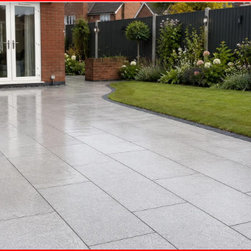


Planning a New Patio: Which Paving Material Works Best?
A new patio can improve the way a garden is used, but the paving material should be chosen with more than appearance in mind. The best result normally comes from matching the slabs to the property, garden conditions, installation method, and expected level of maintenance.
For many UK homeowners, the main decision is between Indian sandstone paving, porcelain paving, and limestone paving. These materials can all produce a good patio, but they do not offer the same finish, installation requirements, or maintenance profile.
A wider selection can be viewed through the main paving slabs collection at Paving Slabs UK.
Begin with the Way the Patio Will Be Used
A patio used mainly for occasional seating does not face the same demands as an outdoor dining area, family play space, or busy access route. The intended use should influence the paving choice.
Questions worth considering include:
A realistic assessment at this stage is more useful than choosing a product only because it looks attractive in a brochure.
Natural Stone or Porcelain?
The first broad decision is whether the project requires natural variation or manufactured consistency.
Natural stone contains differences in colour, markings, and texture. These characteristics can give a patio a more individual appearance. Porcelain is manufactured and generally provides more regular dimensions and a more controlled pattern.
Neither approach is automatically superior. The better choice depends on whether the garden design calls for variation or precision.
Indian Sandstone for Informal and Traditional Gardens
Indian sandstone paving remains a common choice for UK gardens because it works well with brick houses, timber fencing, gravel, and planting.
Its appearance is naturally varied. Individual slabs may show different shades, veins, fossil-like markings, or surface textures. This is normal for sandstone and should be taken into account before ordering.
Sandstone may be suitable when:
Sandstone may be less suitable when:
Sandstone should normally be installed on a full mortar bed. The slabs should also be mixed from several packs so that natural colour variation is spread across the finished area.
Porcelain Paving for Modern and Structured Spaces
Porcelain paving is often selected for modern gardens, extensions, and outdoor dining areas. It offers regular sizing, straight edges, and relatively consistent colour.
Its low water absorption means it is less likely to take in grease or moisture than porous natural stone. This can make it easier to clean, although it still requires routine maintenance.
Porcelain may be suitable when:
Porcelain may be less suitable when:
Porcelain normally requires a slurry primer on the underside of each slab. The dense surface does not bond reliably to mortar without the correct preparation. Outdoor slip resistance should also be confirmed before purchase.
Limestone Paving for a Softer Natural Finish
Limestone paving offers natural stone character with a generally quieter appearance than strongly varied sandstone.
It can work well in gardens where the paving should provide a simple background rather than dominate the design. Grey, black, and warm limestone tones can suit both traditional properties and more restrained contemporary spaces.
Limestone may be suitable when:
Limestone may be less suitable when:
Dark limestone can become lighter after prolonged exposure to weather. Acidic cleaners should be avoided because they can react with and damage the surface.
Quick Material Comparison
Material
Appearance
Water Absorption
Installation Point
Maintenance Position
Indian sandstone
Natural and varied
Porous
Full mortar bed and pack mixing
May need more cleaning in damp areas
Porcelain paving
Consistent and precise
Very low
Slurry primer and suitable cutting equipment
Generally straightforward to clean
Limestone paving
Subtle and natural
Porous
Full support and suitable cleaning products
Requires non-acidic maintenance
Choose the Layout Before Choosing the Slab Size
Slab size should fit the garden rather than follow a trend. Large paving can make a patio look spacious, but it is not always the most efficient choice.
A 900 × 600 mm slab works well in many rectangular patios. It creates fewer joints and a clear pattern. In smaller or irregular areas, however, the same format may require numerous cuts.
Smaller slabs or mixed-size packs available in the paving slabs collection can be more practical around steps, drains, narrow passages, and curved boundaries.
A basic plan should show:
This makes it easier to identify awkward cuts before the paving is ordered.
The Visible Slab Is Only One Part of the Patio
Many patio problems begin below the surface. Movement, rocking, and open joints are often caused by inadequate preparation rather than by the paving itself.
A typical patio build-up may include:
The precise specification depends on the soil, material, patio size, and intended use. Whether installing Indian sandstone paving, porcelain paving, or limestone paving, reducing the quality of the base to save money can create more expensive repairs later.
Plan Water Movement Before the Patio Is Laid
A patio should not trap water against the house. Finished levels should account for damp-proof courses, air bricks, and door thresholds.
Where the available height is limited, a drainage channel may be needed. Water should also be directed towards a suitable outlet rather than onto neighbouring land or the public pavement.
Drainage is much easier to design before laying begins than to correct afterwards.
Cleaning Expectations Should Be Realistic
No paving remains permanently clean outdoors. Rain, soil, leaves, algae, and airborne dirt affect every material.
A basic maintenance routine may include:
Strong pressure washing can damage some surfaces and remove jointing material. Cleaning should therefore be controlled rather than aggressive, especially on Indian sandstone paving and limestone paving.
Is Sealing Necessary?
Some natural stone patios may benefit from sealing, particularly where the paving is light-coloured, smooth, or exposed to frequent food and drink spills.
Sealing can reduce the absorption of certain stains, but it does not remove the need for cleaning. It can also alter the appearance of the stone.
A test area should be completed first, and the paving should be clean and dry before treatment. Porcelain paving generally does not require sealing because of its low water absorption.
Allow for Cutting and Breakages
The quantity ordered should be greater than the exact measured patio area. Extra material is required for cutting, damage, layout changes, and future replacement.
For a simple rectangular patio, an allowance of around 8% to 10% may be suitable. Irregular layouts or diagonal patterns may require more.
Keeping spare slabs from the same paving slabs collection is especially useful with natural stone because later stock may vary in colour and texture.
Common Buying Errors
For many UK homeowners, the main decision is between Indian sandstone paving, porcelain paving, and limestone paving. These materials can all produce a good patio, but they do not offer the same finish, installation requirements, or maintenance profile.
A wider selection can be viewed through the main paving slabs collection at Paving Slabs UK.
Begin with the Way the Patio Will Be Used
A patio used mainly for occasional seating does not face the same demands as an outdoor dining area, family play space, or busy access route. The intended use should influence the paving choice.
Questions worth considering include:
- Will the patio be used for dining or barbecues?
- Will heavy furniture remain in place throughout the year?
- Does the area receive full sun or remain shaded?
- Are there nearby trees that drop leaves, fruit, or sap?
- Will children or pets use the area regularly?
- How often is the owner prepared to clean the surface?
A realistic assessment at this stage is more useful than choosing a product only because it looks attractive in a brochure.
Natural Stone or Porcelain?
The first broad decision is whether the project requires natural variation or manufactured consistency.
Natural stone contains differences in colour, markings, and texture. These characteristics can give a patio a more individual appearance. Porcelain is manufactured and generally provides more regular dimensions and a more controlled pattern.
Neither approach is automatically superior. The better choice depends on whether the garden design calls for variation or precision.
Indian Sandstone for Informal and Traditional Gardens
Indian sandstone paving remains a common choice for UK gardens because it works well with brick houses, timber fencing, gravel, and planting.
Its appearance is naturally varied. Individual slabs may show different shades, veins, fossil-like markings, or surface textures. This is normal for sandstone and should be taken into account before ordering.
Sandstone may be suitable when:
- The garden has a traditional or informal design.
- Natural colour variation is welcome.
- The patio includes mixed slab sizes.
- The paving needs to blend with established landscaping.
Sandstone may be less suitable when:
- The buyer expects every slab to match closely.
- The patio is heavily shaded and rarely dries.
- Very low maintenance is the main priority.
- The installer intends to use spot bedding.
Sandstone should normally be installed on a full mortar bed. The slabs should also be mixed from several packs so that natural colour variation is spread across the finished area.
Porcelain Paving for Modern and Structured Spaces
Porcelain paving is often selected for modern gardens, extensions, and outdoor dining areas. It offers regular sizing, straight edges, and relatively consistent colour.
Its low water absorption means it is less likely to take in grease or moisture than porous natural stone. This can make it easier to clean, although it still requires routine maintenance.
Porcelain may be suitable when:
- The design uses straight lines and regular joints.
- A contemporary appearance is required.
- Low water absorption is important.
- The patio is used for dining or entertaining.
Porcelain may be less suitable when:
- The installer does not have suitable cutting equipment.
- Slurry primer will not be used.
- The project requires strong natural variation.
- The chosen tile is intended only for indoor use.
Porcelain normally requires a slurry primer on the underside of each slab. The dense surface does not bond reliably to mortar without the correct preparation. Outdoor slip resistance should also be confirmed before purchase.
Limestone Paving for a Softer Natural Finish
Limestone paving offers natural stone character with a generally quieter appearance than strongly varied sandstone.
It can work well in gardens where the paving should provide a simple background rather than dominate the design. Grey, black, and warm limestone tones can suit both traditional properties and more restrained contemporary spaces.
Limestone may be suitable when:
- A subtle natural stone appearance is preferred.
- The patio design uses a limited colour palette.
- The garden combines stone with planting and timber.
- The owner accepts that natural materials weather over time.
Limestone may be less suitable when:
- The owner intends to use acidic cleaning products.
- Permanent dark colour is expected.
- The patio will receive aggressive chemical cleaning.
- The buyer expects no variation between slabs.
Dark limestone can become lighter after prolonged exposure to weather. Acidic cleaners should be avoided because they can react with and damage the surface.
Quick Material Comparison
Material
Appearance
Water Absorption
Installation Point
Maintenance Position
Indian sandstone
Natural and varied
Porous
Full mortar bed and pack mixing
May need more cleaning in damp areas
Porcelain paving
Consistent and precise
Very low
Slurry primer and suitable cutting equipment
Generally straightforward to clean
Limestone paving
Subtle and natural
Porous
Full support and suitable cleaning products
Requires non-acidic maintenance
Choose the Layout Before Choosing the Slab Size
Slab size should fit the garden rather than follow a trend. Large paving can make a patio look spacious, but it is not always the most efficient choice.
A 900 × 600 mm slab works well in many rectangular patios. It creates fewer joints and a clear pattern. In smaller or irregular areas, however, the same format may require numerous cuts.
Smaller slabs or mixed-size packs available in the paving slabs collection can be more practical around steps, drains, narrow passages, and curved boundaries.
A basic plan should show:
- The patio dimensions
- Door openings
- Walls and boundaries
- Inspection covers
- Steps and changes in level
- Drainage channels
This makes it easier to identify awkward cuts before the paving is ordered.
The Visible Slab Is Only One Part of the Patio
Many patio problems begin below the surface. Movement, rocking, and open joints are often caused by inadequate preparation rather than by the paving itself.
A typical patio build-up may include:
- Excavated and prepared ground
- A compacted sub-base
- A full mortar bed
- Primer where required
- Edge restraints
- Jointing material
- Correct surface falls
The precise specification depends on the soil, material, patio size, and intended use. Whether installing Indian sandstone paving, porcelain paving, or limestone paving, reducing the quality of the base to save money can create more expensive repairs later.
Plan Water Movement Before the Patio Is Laid
A patio should not trap water against the house. Finished levels should account for damp-proof courses, air bricks, and door thresholds.
Where the available height is limited, a drainage channel may be needed. Water should also be directed towards a suitable outlet rather than onto neighbouring land or the public pavement.
Drainage is much easier to design before laying begins than to correct afterwards.
Cleaning Expectations Should Be Realistic
No paving remains permanently clean outdoors. Rain, soil, leaves, algae, and airborne dirt affect every material.
A basic maintenance routine may include:
- Sweeping leaves and loose debris
- Cleaning spills before they remain on the surface
- Treating algae in shaded areas
- Inspecting joints for damage
- Using products suitable for the paving material
Strong pressure washing can damage some surfaces and remove jointing material. Cleaning should therefore be controlled rather than aggressive, especially on Indian sandstone paving and limestone paving.
Is Sealing Necessary?
Some natural stone patios may benefit from sealing, particularly where the paving is light-coloured, smooth, or exposed to frequent food and drink spills.
Sealing can reduce the absorption of certain stains, but it does not remove the need for cleaning. It can also alter the appearance of the stone.
A test area should be completed first, and the paving should be clean and dry before treatment. Porcelain paving generally does not require sealing because of its low water absorption.
Allow for Cutting and Breakages
The quantity ordered should be greater than the exact measured patio area. Extra material is required for cutting, damage, layout changes, and future replacement.
For a simple rectangular patio, an allowance of around 8% to 10% may be suitable. Irregular layouts or diagonal patterns may require more.
Keeping spare slabs from the same paving slabs collection is especially useful with natural stone because later stock may vary in colour and texture.
Common Buying Errors
- Choosing only from a small online image
- Ignoring shade and drainage conditions
- Ordering the exact area with no waste allowance
- Assuming all paving is installed in the same way
- Using indoor porcelain outside
- Applying acidic cleaners to limestone
Project Year: 2013
Project Cost: Less than AUD 1,000
Country: Pakistan