

Why Smart Homeowners Schedule a Roof Inspection Before Renovating
Home renovations usually start with exciting ideas: new siding, updated interiors, better curb appeal, improved landscaping, or a more functional layout. But there is one major part of the home that homeowners often overlook before spending money elsewhere: the roof.
That is a costly mistake.
Your roof protects everything beneath it. If it has hidden storm damage, leaks, poor ventilation, or aging materials, it can put your entire renovation at risk. Before starting a major home improvement project, homeowners should know whether their roof needs attention and whether an insurance-covered roof replacement may be possible.
Why a Roof Inspection Should Come Before Renovation Planning
A roof inspection should happen early in the renovation process, not after work begins. If the roof is damaged, water can enter the home and ruin new drywall, ceilings, insulation, flooring, cabinetry, and paint. Roof condition can also affect gutters, siding, solar panels, attic upgrades, and additions, so replacing it too late may cause delays, extra labor, and unnecessary rework.
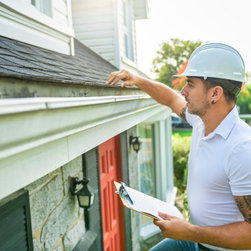
A professional roof inspection can identify issues that are easy to miss from the ground. Missing shingles, hail damage, lifted flashing, soft spots, ventilation problems, and storm-related wear may not be obvious to a homeowner. Finding those problems before renovation begins allows homeowners to plan more effectively and avoid costly surprises.
What Insurance-Covered Roof Replacement Really Means
An insurance-covered roof replacement does not mean every old roof automatically qualifies. Homeowners insurance may help pay for replacement when damage comes from a covered event, such as wind, hail, severe storms, falling branches, or sudden accidental damage.
The cause of the damage matters more than the roof's age alone. A professional inspection can help identify storm-related damage, document the roof’s condition, and clarify the claims process, but approval is never guaranteed.
Policy Details That Can Change Your Renovation Budget
Even when a roof claim is approved, homeowners still need to understand the financial details. Insurance approval can help protect a renovation budget, but it should never be treated like a blank check. The amount a homeowner receives depends on the policy, the type of coverage, the deductible, and how the claim is processed.
One of the greatest details to understand is the difference between Replacement Cost Value and Actual Cash Value:
This is why homeowners should review their insurance policy before committing to a renovation budget. If the roof needs replacement, knowing the claim status early can help determine how much money remains available for other improvements.
Why Documentation and Contractor Support Matter
A roof insurance claim depends on clear evidence, not just a homeowner's claim that the roof looks damaged. Photos, videos, inspection reports, storm dates, repair history, and notes about visible damage can all help support the claim.
An experienced roofing contractor can inspect the roof, document storm-related damage, explain the scope of work, and meet with the adjuster if needed. Homeowners should still be cautious of anyone promising guaranteed approval or advertising a “free roof,” since a trustworthy contractor explains what may or may not qualify.
How a New Roof Can Strengthen the Entire Renovation
A roof replacement is not just a repair. It can improve the home’s performance, appearance, durability, and long-term value. During replacement, homeowners may also have the opportunity to upgrade key components of the roofing system, which can help the home better withstand harsh weather.
Some upgrades to consider include:
A new roof can improve curb appeal while protecting the upgrades beneath it. The right material and color can make exterior features look more complete and help reduce the risk of leaks or storm damage.
Inspect First, Renovate Smarter
Before starting a renovation, homeowners should take a serious look at the roof. It is not the most glamorous part of a project, but it may be the most important.
A roof inspection can reveal hidden damage, clarify insurance options, and help homeowners avoid major budget surprises. Homeowners should review their policy, understand the difference between Replacement Cost Value and Actual Cash Value, document possible storm damage, and work with a qualified local roofing contractor.
Renovation should begin with protection, not decoration. When the roof is strong, properly documented, and aligned with the homeowner’s insurance options, the rest of the project has a much safer foundation.
That is a costly mistake.
Your roof protects everything beneath it. If it has hidden storm damage, leaks, poor ventilation, or aging materials, it can put your entire renovation at risk. Before starting a major home improvement project, homeowners should know whether their roof needs attention and whether an insurance-covered roof replacement may be possible.
Why a Roof Inspection Should Come Before Renovation Planning
A roof inspection should happen early in the renovation process, not after work begins. If the roof is damaged, water can enter the home and ruin new drywall, ceilings, insulation, flooring, cabinetry, and paint. Roof condition can also affect gutters, siding, solar panels, attic upgrades, and additions, so replacing it too late may cause delays, extra labor, and unnecessary rework.
A professional roof inspection can identify issues that are easy to miss from the ground. Missing shingles, hail damage, lifted flashing, soft spots, ventilation problems, and storm-related wear may not be obvious to a homeowner. Finding those problems before renovation begins allows homeowners to plan more effectively and avoid costly surprises.
What Insurance-Covered Roof Replacement Really Means
An insurance-covered roof replacement does not mean every old roof automatically qualifies. Homeowners insurance may help pay for replacement when damage comes from a covered event, such as wind, hail, severe storms, falling branches, or sudden accidental damage.
The cause of the damage matters more than the roof's age alone. A professional inspection can help identify storm-related damage, document the roof’s condition, and clarify the claims process, but approval is never guaranteed.
Policy Details That Can Change Your Renovation Budget
Even when a roof claim is approved, homeowners still need to understand the financial details. Insurance approval can help protect a renovation budget, but it should never be treated like a blank check. The amount a homeowner receives depends on the policy, the type of coverage, the deductible, and how the claim is processed.
One of the greatest details to understand is the difference between Replacement Cost Value and Actual Cash Value:
- Replacement Cost Value:Generally helps pay to replace the damaged roof without subtracting depreciation.
- Actual Cash Value:Factors in depreciation based on the roof’s age and condition, which can reduce the payout.
- Deductible:Most homeowners are still responsible for paying their deductible before insurance coverage applies.
- Claim payment process:Payments may involve mortgage company endorsement, depreciation recovery, supplements, or phased payments depending on the policy and scope of work.
This is why homeowners should review their insurance policy before committing to a renovation budget. If the roof needs replacement, knowing the claim status early can help determine how much money remains available for other improvements.
Why Documentation and Contractor Support Matter
A roof insurance claim depends on clear evidence, not just a homeowner's claim that the roof looks damaged. Photos, videos, inspection reports, storm dates, repair history, and notes about visible damage can all help support the claim.
An experienced roofing contractor can inspect the roof, document storm-related damage, explain the scope of work, and meet with the adjuster if needed. Homeowners should still be cautious of anyone promising guaranteed approval or advertising a “free roof,” since a trustworthy contractor explains what may or may not qualify.
How a New Roof Can Strengthen the Entire Renovation
A roof replacement is not just a repair. It can improve the home’s performance, appearance, durability, and long-term value. During replacement, homeowners may also have the opportunity to upgrade key components of the roofing system, which can help the home better withstand harsh weather.
Some upgrades to consider include:
- Improved underlaymentfor added protection beneath the roofing material
- Better flashingto help prevent leaks around roof edges, vents, and chimneys
- Proper ventilationto support energy efficiency and reduce moisture buildup
- Architectural shinglesfor improved curb appeal and durability
- Impact-resistant or wind-rated materialsfor stronger storm protection
- Metal roofingfor long-lasting performance in certain homes and climates
A new roof can improve curb appeal while protecting the upgrades beneath it. The right material and color can make exterior features look more complete and help reduce the risk of leaks or storm damage.
Inspect First, Renovate Smarter
Before starting a renovation, homeowners should take a serious look at the roof. It is not the most glamorous part of a project, but it may be the most important.
A roof inspection can reveal hidden damage, clarify insurance options, and help homeowners avoid major budget surprises. Homeowners should review their policy, understand the difference between Replacement Cost Value and Actual Cash Value, document possible storm damage, and work with a qualified local roofing contractor.
Renovation should begin with protection, not decoration. When the roof is strong, properly documented, and aligned with the homeowner’s insurance options, the rest of the project has a much safer foundation.