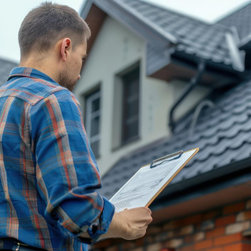


Preparing Your Home for Roof Replacement: A Step-by-Step Checklist
You hear a knock at the door. The contractor smiles and says your roof replacement starts tomorrow morning. Suddenly, a wave of questions floods your mind. What should you move? How do you protect your belongings? Where do you even begin?
A roof replacement ranks among the most significant home improvement projects you'll undertake. The process involves more than simply swapping old shingles for new ones. Proper preparation protects your property, streamlines the installation, and helps avoid costly complications down the road.
Understanding the Roof Replacement Process
Before diving into preparations, knowing what happens during the roof replacement process sets realistic expectations for your household.
How Long Does a Typical Roof Replacement Take?
Most residential roofing projects span two to five days, depending on your roof's size, complexity, and weather conditions. A standard single-family home with asphalt shingles typically requires three days. Larger homes or those requiring structural repairs may extend the timeline to a week or more.
What to Expect During Each Phase
Day one usually involves tearing off the old roofing materials. Expect significant noise as crews remove shingles, underlayment, and damaged decking. The second phase focuses on installing new underlayment, flashing, and shingles. Final inspections and cleanup wrap up the project. Throughout each stage, your home remains exposed to elements for brief periods, which makes proper preparation critical.
Interior Preparation for Roofing Work
The vibrations from roofing work travel through your entire home structure. Failing to prepare your interior spaces can result in damaged belongings and unnecessary stress.
Protecting Belongings During Roof Replacement
Remove fragile items from shelves and walls throughout your home, not just in the attic. Vibrations can dislodge picture frames, vases, and collectibles. Cover furniture in rooms directly below the roof with drop cloths or old sheets to catch dust and debris that might filter through.
Moving Furniture for Roof Replacement
Clear your attic completely if possible. Roofers occasionally need attic access to inspect decking from below or address ventilation issues. In upper-floor bedrooms, shift furniture away from walls and toward room centers. This creates a buffer zone if anything falls.
Safeguarding Valuables in Your Attic
Store irreplaceable items like family heirlooms, photographs, and important documents in waterproof containers. Move these to ground-level rooms away from the work zone. Even with tarps in place, unexpected weather can threaten exposed areas during transitions between old and new roofing.
Removing Wall Decorations and Fragile Items
Take down mirrors, artwork, and mounted televisions from walls in upper levels. The hammering and movement above can shake these loose. Pack delicate items in boxes with padding and store them safely until work completes.
Preparing Your Yard for Roof Replacement
Your outdoor space requires as much attention as your interior. A well-prepared yard protects your landscaping and gives crews efficient access to work areas.
Clearing the Perimeter Around Your Home
Create a debris zone by moving all items at least 15 feet from your home's foundation. This includes garden hoses, potted plants, decorative stones, and lawn ornaments. Roofing materials will fall into this space throughout the project, and crews need room to set up equipment and disposal containers.
Protecting Landscaping and Outdoor Features
Cover delicate shrubs and flower beds near your home with tarps or plywood sheets. Falling shingles can damage plants, and foot traffic compacts soil around roots. Mark sprinkler heads with flags so workers avoid stepping on them. If you're working with a best roofing contractor in Georgetown, Texas, like Red Oak Roofworks and Restoration, they'll typically help identify areas needing extra protection based on local landscaping considerations.
Creating Access Routes for Equipment
Identify the clearest path from the street to your home for material delivery and waste removal. Trim overhanging branches that might interfere with ladder placement or material hoisting. Mark any underground utilities or irrigation lines to prevent accidental damage.
Relocating Vehicles and Outdoor Furniture
Park all vehicles away from the house and garage for the project's duration. Falling debris can dent hoods and crack windshields. Move patio furniture, grills, and play equipment to a safe distance. Cover pools and hot tubs with sturdy tarps to keep out nails and roofing granules.
What to Do Before Roof Replacement Begins
Beyond physical preparations, several administrative and practical steps ensure a smooth project start.
Communicating with Neighbors About the Project
Inform neighbors about the upcoming work, especially those sharing property lines. Roofing generates considerable noise starting as early as 7 AM. Advance notice helps them plan around the disruption and prevents surprise complaints.
Arranging Care for Pets and Children
The constant noise, strangers, and activity can stress pets and distract young children. Consider arranging alternative care during the noisiest phases. If pets must stay home, keep them in a quiet room away from windows with calming music or white noise to buffer construction sounds.
Securing Outdoor Equipment and Play Structures
Disassemble trampolines if possible or weight them down with sandbags. Tie down swing sets and playhouses. The crew needs clear workspace, and these items can suffer damage from falling materials or accidental contact with equipment.
Documenting Your Current Roof Condition
Photograph your roof, yard, and nearby structures before work begins. These images provide valuable reference points should any disputes arise about pre-existing conditions or damage claims. Time-stamped photos offer the best protection.
Preparing Home for New Roof: Essential Safety Measures
Safety extends beyond the work crew. Your household faces unique considerations during active construction overhead.
Understanding Noise and Debris Expectations
Roofing ranks among the loudest home improvement projects. Workers use power tools, hammers, and air compressors that create sustained noise levels. Plan to work from a coffee shop if you have video calls scheduled. Expect dust to filter into your home despite precautions, particularly around attic hatches and ceiling fixtures.
Protecting HVAC Systems and Vents
Cover outdoor HVAC units with plywood or heavy tarps to prevent debris from entering the system. Change your air filters immediately after project completion, as fine particles can compromise indoor air quality. Turn off attic fans during tearoff to prevent debris from being pulled into your ductwork.
Covering Swimming Pools and Water Features
Secure pool covers tightly or use multiple tarps weighted at corners. Roofing nails and granules can damage pool liners and clog filtration systems. Cover fountains and ponds similarly to protect pumps and aquatic life from contamination.
Final Roof Replacement Checklist Before Work Begins
As the start date approaches, verify these final details to avoid last-minute complications.
Confirming Project Details and Timeline
Review the work order with your contractor one week before the start date. Confirm the materials being installed, color selections, and any additional work like gutter replacement or chimney flashing. Establish clear communication channels for questions during the project. Companies like Red Oak Roofworks and Restoration typically provide project managers who serve as your point of contact throughout the installation.
Ensuring Proper Permits Are in Place
Verify that all necessary building permits have been obtained and posted at your property. Permit requirements vary by municipality, but most jurisdictions require them for complete roof replacements. Working without proper permits can result in fines and complications when selling your home.
Verifying Insurance Coverage
Confirm that your contractor carries both liability insurance and workers' compensation coverage. Request certificates of insurance and verify they're current. This protects you from liability if a worker is injured on your property or if accidental damage occurs during installation.
Is Your Home Ready for Roof Replacement Preparation?
Thorough preparation transforms a potentially chaotic experience into a manageable project. Walk through each room of your home with this checklist in hand. Inspect your yard from multiple angles. Consider what might be vulnerable to falling debris or vibration.
Start your preparations at least one week before the scheduled start date. This buffer gives you time to address overlooked items and make necessary arrangements without rushing. A well-prepared home allows your roofing crew to work efficiently, potentially shortening the project timeline and reducing stress for everyone involved.
The investment you make in preparation pays dividends in protected belongings, preserved landscaping, and peace of mind. Your roof replacement represents a significant investment in your home's future. Give it the thoughtful preparation it deserves.
A roof replacement ranks among the most significant home improvement projects you'll undertake. The process involves more than simply swapping old shingles for new ones. Proper preparation protects your property, streamlines the installation, and helps avoid costly complications down the road.
Understanding the Roof Replacement Process
Before diving into preparations, knowing what happens during the roof replacement process sets realistic expectations for your household.
How Long Does a Typical Roof Replacement Take?
Most residential roofing projects span two to five days, depending on your roof's size, complexity, and weather conditions. A standard single-family home with asphalt shingles typically requires three days. Larger homes or those requiring structural repairs may extend the timeline to a week or more.
What to Expect During Each Phase
Day one usually involves tearing off the old roofing materials. Expect significant noise as crews remove shingles, underlayment, and damaged decking. The second phase focuses on installing new underlayment, flashing, and shingles. Final inspections and cleanup wrap up the project. Throughout each stage, your home remains exposed to elements for brief periods, which makes proper preparation critical.
Interior Preparation for Roofing Work
The vibrations from roofing work travel through your entire home structure. Failing to prepare your interior spaces can result in damaged belongings and unnecessary stress.
Protecting Belongings During Roof Replacement
Remove fragile items from shelves and walls throughout your home, not just in the attic. Vibrations can dislodge picture frames, vases, and collectibles. Cover furniture in rooms directly below the roof with drop cloths or old sheets to catch dust and debris that might filter through.
Moving Furniture for Roof Replacement
Clear your attic completely if possible. Roofers occasionally need attic access to inspect decking from below or address ventilation issues. In upper-floor bedrooms, shift furniture away from walls and toward room centers. This creates a buffer zone if anything falls.
Safeguarding Valuables in Your Attic
Store irreplaceable items like family heirlooms, photographs, and important documents in waterproof containers. Move these to ground-level rooms away from the work zone. Even with tarps in place, unexpected weather can threaten exposed areas during transitions between old and new roofing.
Removing Wall Decorations and Fragile Items
Take down mirrors, artwork, and mounted televisions from walls in upper levels. The hammering and movement above can shake these loose. Pack delicate items in boxes with padding and store them safely until work completes.
Preparing Your Yard for Roof Replacement
Your outdoor space requires as much attention as your interior. A well-prepared yard protects your landscaping and gives crews efficient access to work areas.
Clearing the Perimeter Around Your Home
Create a debris zone by moving all items at least 15 feet from your home's foundation. This includes garden hoses, potted plants, decorative stones, and lawn ornaments. Roofing materials will fall into this space throughout the project, and crews need room to set up equipment and disposal containers.
Protecting Landscaping and Outdoor Features
Cover delicate shrubs and flower beds near your home with tarps or plywood sheets. Falling shingles can damage plants, and foot traffic compacts soil around roots. Mark sprinkler heads with flags so workers avoid stepping on them. If you're working with a best roofing contractor in Georgetown, Texas, like Red Oak Roofworks and Restoration, they'll typically help identify areas needing extra protection based on local landscaping considerations.
Creating Access Routes for Equipment
Identify the clearest path from the street to your home for material delivery and waste removal. Trim overhanging branches that might interfere with ladder placement or material hoisting. Mark any underground utilities or irrigation lines to prevent accidental damage.
Relocating Vehicles and Outdoor Furniture
Park all vehicles away from the house and garage for the project's duration. Falling debris can dent hoods and crack windshields. Move patio furniture, grills, and play equipment to a safe distance. Cover pools and hot tubs with sturdy tarps to keep out nails and roofing granules.
What to Do Before Roof Replacement Begins
Beyond physical preparations, several administrative and practical steps ensure a smooth project start.
Communicating with Neighbors About the Project
Inform neighbors about the upcoming work, especially those sharing property lines. Roofing generates considerable noise starting as early as 7 AM. Advance notice helps them plan around the disruption and prevents surprise complaints.
Arranging Care for Pets and Children
The constant noise, strangers, and activity can stress pets and distract young children. Consider arranging alternative care during the noisiest phases. If pets must stay home, keep them in a quiet room away from windows with calming music or white noise to buffer construction sounds.
Securing Outdoor Equipment and Play Structures
Disassemble trampolines if possible or weight them down with sandbags. Tie down swing sets and playhouses. The crew needs clear workspace, and these items can suffer damage from falling materials or accidental contact with equipment.
Documenting Your Current Roof Condition
Photograph your roof, yard, and nearby structures before work begins. These images provide valuable reference points should any disputes arise about pre-existing conditions or damage claims. Time-stamped photos offer the best protection.
Preparing Home for New Roof: Essential Safety Measures
Safety extends beyond the work crew. Your household faces unique considerations during active construction overhead.
Understanding Noise and Debris Expectations
Roofing ranks among the loudest home improvement projects. Workers use power tools, hammers, and air compressors that create sustained noise levels. Plan to work from a coffee shop if you have video calls scheduled. Expect dust to filter into your home despite precautions, particularly around attic hatches and ceiling fixtures.
Protecting HVAC Systems and Vents
Cover outdoor HVAC units with plywood or heavy tarps to prevent debris from entering the system. Change your air filters immediately after project completion, as fine particles can compromise indoor air quality. Turn off attic fans during tearoff to prevent debris from being pulled into your ductwork.
Covering Swimming Pools and Water Features
Secure pool covers tightly or use multiple tarps weighted at corners. Roofing nails and granules can damage pool liners and clog filtration systems. Cover fountains and ponds similarly to protect pumps and aquatic life from contamination.
Final Roof Replacement Checklist Before Work Begins
As the start date approaches, verify these final details to avoid last-minute complications.
Confirming Project Details and Timeline
Review the work order with your contractor one week before the start date. Confirm the materials being installed, color selections, and any additional work like gutter replacement or chimney flashing. Establish clear communication channels for questions during the project. Companies like Red Oak Roofworks and Restoration typically provide project managers who serve as your point of contact throughout the installation.
Ensuring Proper Permits Are in Place
Verify that all necessary building permits have been obtained and posted at your property. Permit requirements vary by municipality, but most jurisdictions require them for complete roof replacements. Working without proper permits can result in fines and complications when selling your home.
Verifying Insurance Coverage
Confirm that your contractor carries both liability insurance and workers' compensation coverage. Request certificates of insurance and verify they're current. This protects you from liability if a worker is injured on your property or if accidental damage occurs during installation.
Is Your Home Ready for Roof Replacement Preparation?
Thorough preparation transforms a potentially chaotic experience into a manageable project. Walk through each room of your home with this checklist in hand. Inspect your yard from multiple angles. Consider what might be vulnerable to falling debris or vibration.
Start your preparations at least one week before the scheduled start date. This buffer gives you time to address overlooked items and make necessary arrangements without rushing. A well-prepared home allows your roofing crew to work efficiently, potentially shortening the project timeline and reducing stress for everyone involved.
The investment you make in preparation pays dividends in protected belongings, preserved landscaping, and peace of mind. Your roof replacement represents a significant investment in your home's future. Give it the thoughtful preparation it deserves.