

Creating a Home That Works Beautifully for Modern Living
Thoughtful Design Starts with Real Life
A truly beautiful home is not defined by trends alone. It is shaped by the way people live, work, relax, gather and recharge every day. The best interiors feel personal, practical and quietly inspiring, offering a sense of comfort while making everyday routines easier. Whether you are renovating a Victorian terrace, refreshing a country cottage, redesigning a city flat or planning a new-build family house, every design decision should begin with one simple question: how should this space support your life?
Good home design is about balance. A room should be attractive, but it should also function well. A kitchen needs more than stylish cabinetry; it requires intelligent storage, durable surfaces and a layout that allows cooking, conversation and movement to happen naturally. A living room should look inviting, but it must also accommodate family evenings, guests, books, lighting, pets, children and changing seasons. When style and practicality work together, a house begins to feel like a home.
Designing Rooms with Purpose
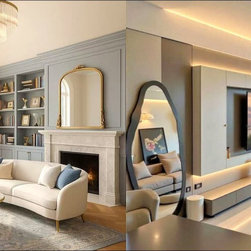
Each room has its own rhythm. The entrance hall sets the tone from the moment you step inside. Even a narrow hallway can feel welcoming with warm lighting, a slim console table, a mirror and carefully chosen flooring. The living room often becomes the emotional centre of the home, so it benefits from layered textures, comfortable seating and a layout that encourages conversation rather than simply pointing every chair towards a screen.
Bedrooms call for a calmer approach. Soft colours, natural materials and considered storage can help create a restful retreat. Bathrooms, meanwhile, are no longer purely functional spaces. With the right tiles, lighting, fittings and finishes, they can feel like small private sanctuaries. Even compact bathrooms can be transformed with wall-mounted furniture, frameless screens, clever shelving and a restrained palette.
The kitchen remains one of the most important rooms in many British homes. Open-plan layouts continue to be popular, but successful kitchen design depends on zoning. Cooking, dining, working and relaxing may all happen in one space, yet each activity needs its own place. Islands, banquettes, pendant lighting, rugs and changes in flooring can help define areas without closing the room off.
Bringing Work into the Home
Modern homes often need to support flexible working, which has made the study, spare-room desk and garden office more important than ever. Choosing the right home office furniture can make a significant difference to both comfort and productivity. A desk should provide enough surface space for a laptop, paperwork and lighting, while a supportive chair is essential for longer working days. Storage is equally important: shelves, drawers and cupboards help prevent work materials from spilling into the rest of the home.
A home office does not need to feel corporate. Timber, soft upholstery, artwork, plants and warm lighting can make a workspace feel connected to the rest of the interior. In smaller homes, an alcove, landing or quiet corner can become a highly efficient work area with bespoke joinery or a compact desk. The aim is to create a place that encourages focus during working hours and can be visually softened once the day is done.
Materials, Colour and Character
Materials give a home its atmosphere. Oak, limestone, wool, linen, brass and ceramic each bring a different quality to a room. Mixing materials carefully prevents interiors from feeling flat. A sleek kitchen can be softened with timber stools and woven blinds. A traditional sitting room can feel fresher with contemporary lighting or a bold piece of art. Contrast is often what makes a space memorable.
Colour should be chosen with both mood and light in mind. North-facing rooms may benefit from warmer tones, while bright south-facing spaces can handle cooler shades. Neutrals remain popular because they are flexible, but they are most successful when layered with texture. A beige room with wool rugs, linen curtains, aged timber and handmade ceramics can feel rich and calming rather than plain.
Creating a Home with Longevity
The most successful interiors are not rushed. They evolve gradually, combining practical improvements with meaningful details. Built-in storage, quality flooring, efficient lighting and well-made furniture are investments that continue to serve a household for years. Decorative choices can then be adapted over time through cushions, paint, artwork and accessories.
A well-designed home should feel natural, not staged. It should support busy mornings, quiet evenings, celebrations, work, rest and everything in between. By combining inspiration with careful planning, homeowners can create spaces that are elegant, comfortable and deeply personal — homes that do not simply look good, but genuinely improve daily life.
A truly beautiful home is not defined by trends alone. It is shaped by the way people live, work, relax, gather and recharge every day. The best interiors feel personal, practical and quietly inspiring, offering a sense of comfort while making everyday routines easier. Whether you are renovating a Victorian terrace, refreshing a country cottage, redesigning a city flat or planning a new-build family house, every design decision should begin with one simple question: how should this space support your life?
Good home design is about balance. A room should be attractive, but it should also function well. A kitchen needs more than stylish cabinetry; it requires intelligent storage, durable surfaces and a layout that allows cooking, conversation and movement to happen naturally. A living room should look inviting, but it must also accommodate family evenings, guests, books, lighting, pets, children and changing seasons. When style and practicality work together, a house begins to feel like a home.
Designing Rooms with Purpose
Each room has its own rhythm. The entrance hall sets the tone from the moment you step inside. Even a narrow hallway can feel welcoming with warm lighting, a slim console table, a mirror and carefully chosen flooring. The living room often becomes the emotional centre of the home, so it benefits from layered textures, comfortable seating and a layout that encourages conversation rather than simply pointing every chair towards a screen.
Bedrooms call for a calmer approach. Soft colours, natural materials and considered storage can help create a restful retreat. Bathrooms, meanwhile, are no longer purely functional spaces. With the right tiles, lighting, fittings and finishes, they can feel like small private sanctuaries. Even compact bathrooms can be transformed with wall-mounted furniture, frameless screens, clever shelving and a restrained palette.
The kitchen remains one of the most important rooms in many British homes. Open-plan layouts continue to be popular, but successful kitchen design depends on zoning. Cooking, dining, working and relaxing may all happen in one space, yet each activity needs its own place. Islands, banquettes, pendant lighting, rugs and changes in flooring can help define areas without closing the room off.
Bringing Work into the Home
Modern homes often need to support flexible working, which has made the study, spare-room desk and garden office more important than ever. Choosing the right home office furniture can make a significant difference to both comfort and productivity. A desk should provide enough surface space for a laptop, paperwork and lighting, while a supportive chair is essential for longer working days. Storage is equally important: shelves, drawers and cupboards help prevent work materials from spilling into the rest of the home.
A home office does not need to feel corporate. Timber, soft upholstery, artwork, plants and warm lighting can make a workspace feel connected to the rest of the interior. In smaller homes, an alcove, landing or quiet corner can become a highly efficient work area with bespoke joinery or a compact desk. The aim is to create a place that encourages focus during working hours and can be visually softened once the day is done.
Materials, Colour and Character
Materials give a home its atmosphere. Oak, limestone, wool, linen, brass and ceramic each bring a different quality to a room. Mixing materials carefully prevents interiors from feeling flat. A sleek kitchen can be softened with timber stools and woven blinds. A traditional sitting room can feel fresher with contemporary lighting or a bold piece of art. Contrast is often what makes a space memorable.
Colour should be chosen with both mood and light in mind. North-facing rooms may benefit from warmer tones, while bright south-facing spaces can handle cooler shades. Neutrals remain popular because they are flexible, but they are most successful when layered with texture. A beige room with wool rugs, linen curtains, aged timber and handmade ceramics can feel rich and calming rather than plain.
Creating a Home with Longevity
The most successful interiors are not rushed. They evolve gradually, combining practical improvements with meaningful details. Built-in storage, quality flooring, efficient lighting and well-made furniture are investments that continue to serve a household for years. Decorative choices can then be adapted over time through cushions, paint, artwork and accessories.
A well-designed home should feel natural, not staged. It should support busy mornings, quiet evenings, celebrations, work, rest and everything in between. By combining inspiration with careful planning, homeowners can create spaces that are elegant, comfortable and deeply personal — homes that do not simply look good, but genuinely improve daily life.